“I’m Here to Help Navigate the Complexity”
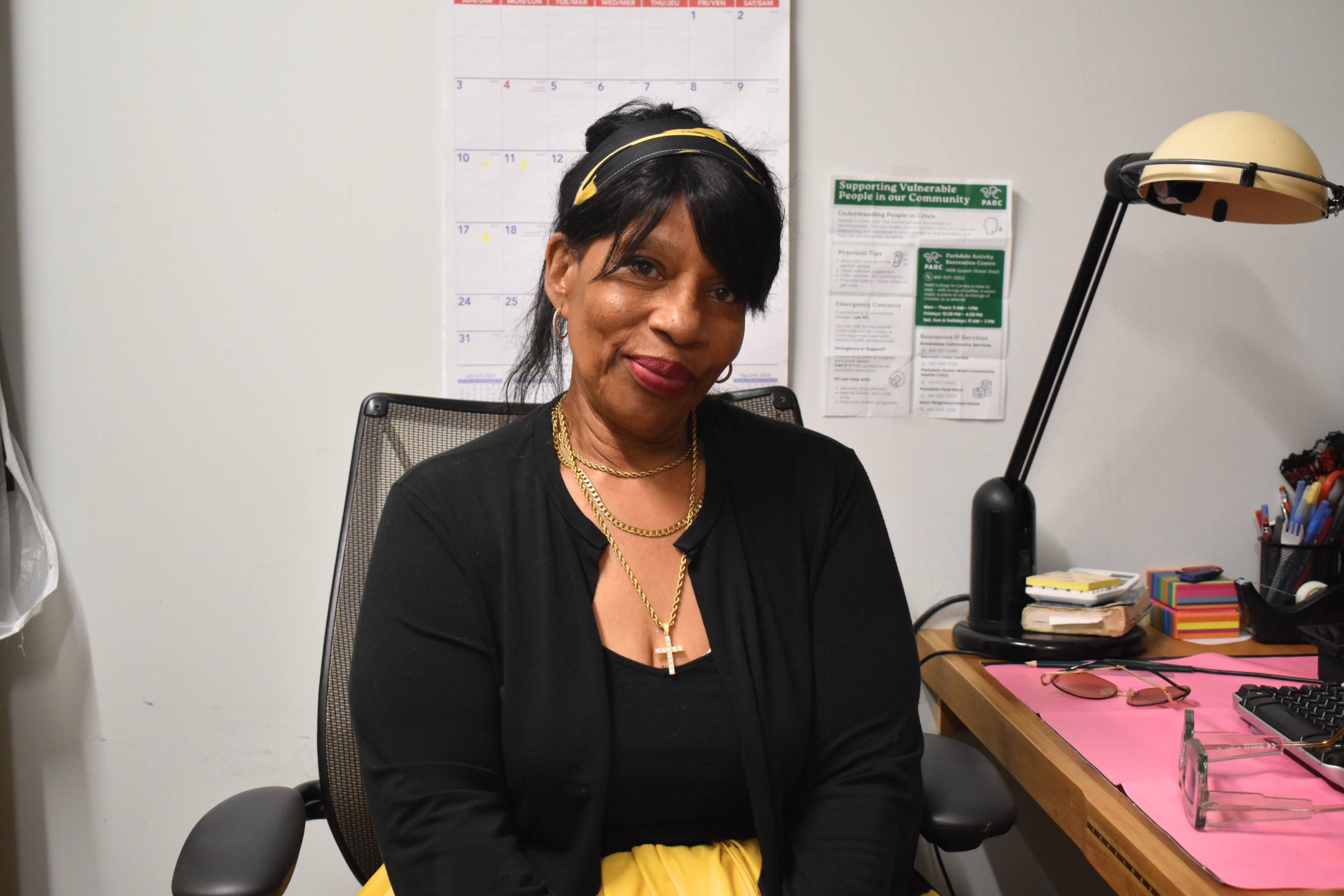
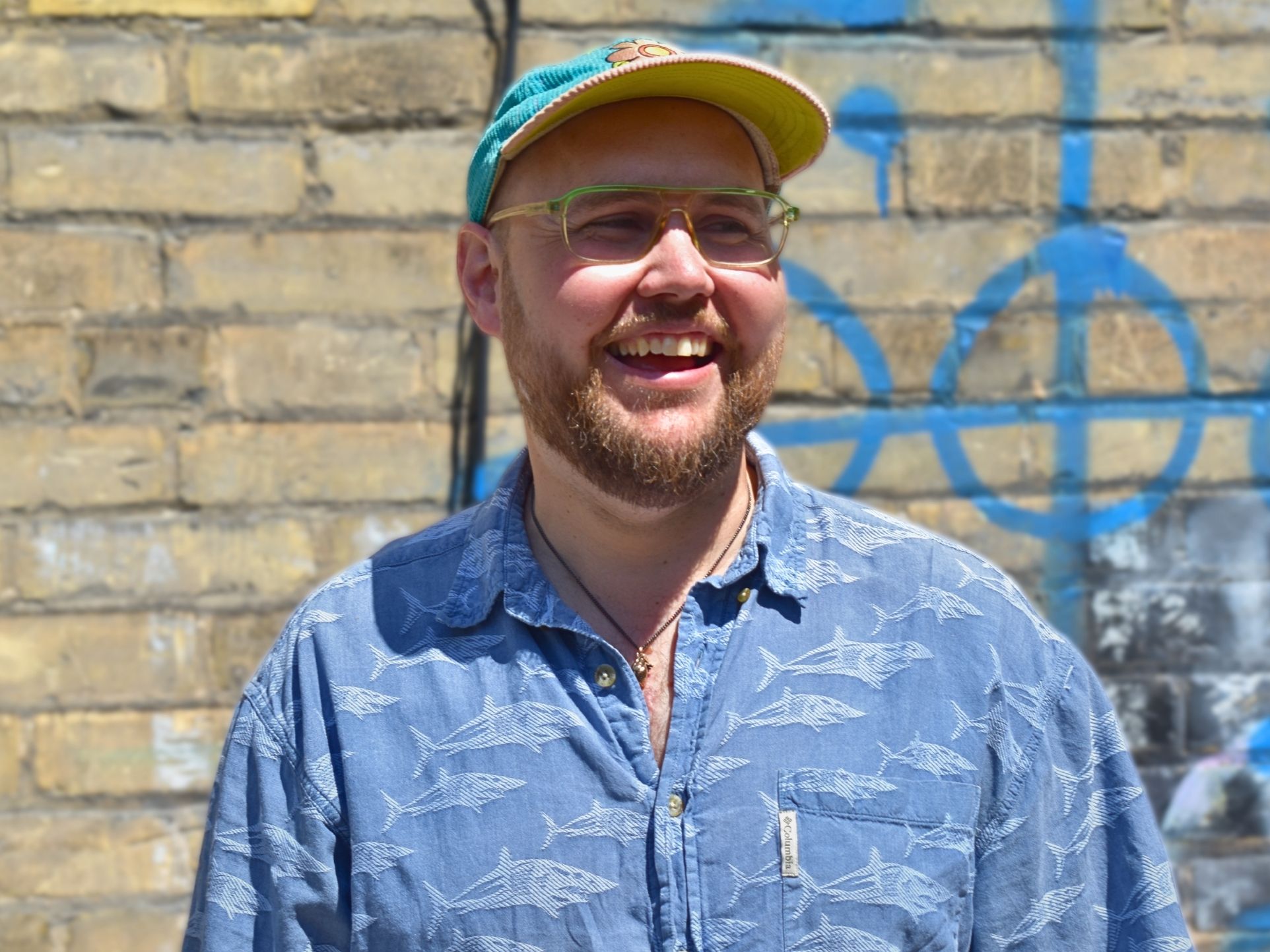
Lisa is a PARC caseworker helping community members with applying for ODSP.
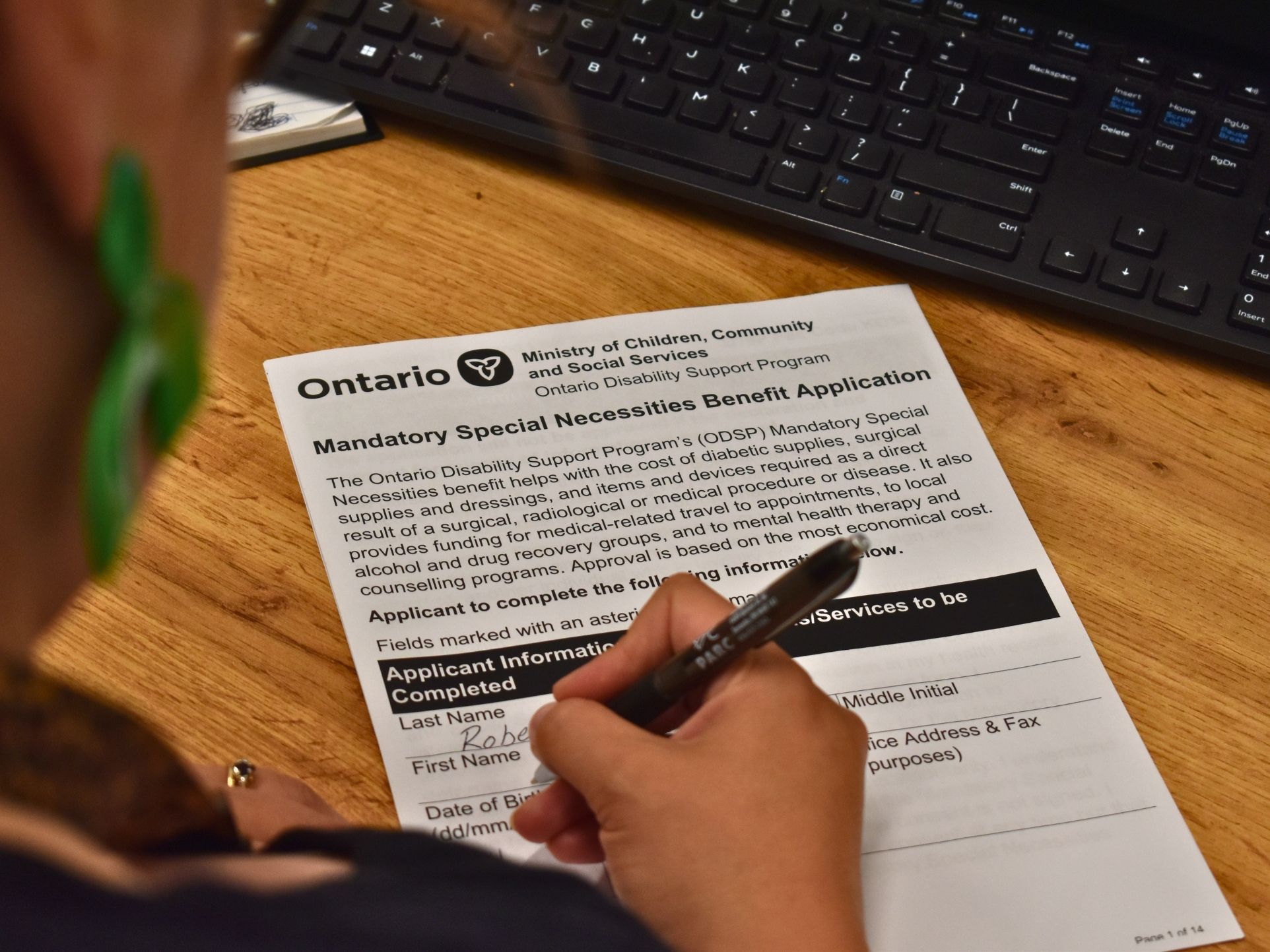
Applying for the Ontario Disability Support Program (ODSP) should be a lifeline. In practice, it is an application package that runs more than a dozen pages. The medical system behind it is hard to access. And you have to prove you meet a strict definition of “disability.” For many people, that is enough to stop them before they even start.
This is where Lisa steps in. She works on a pilot project with the City of Toronto to help members with applying for ODSP. Her job is to sit beside people through the whole process. That means gathering documentation, coordinating with doctors and specialists, and turning an overwhelming package into something manageable. “I’m learning along the way too,” she says, “trying to navigate the system and help them the best I can, while meeting them where they’re at.”
Why applying for ODSP is worth the effort
The gap between Ontario Works (OW) and ODSP is significant. A single person on OW receives a maximum of $733 a month for basic needs and shelter combined. That rate has not changed since 2018. A single person on ODSP receives nearly double, at $1,408 a month. The money should cover shelter and basic needs. In reality, it falls short of the cost of living anywhere in Ontario. In Toronto, the average rent for a bachelor apartment is around $1,499. That is $91 more than the full ODSP benefit. Advocates want the Ontario government to double both ODSP and OW to keep pace with the cost-of-living crisis.
More support, with fewer conditions
Ontario Works comes with constant pressure. You have to look for work and prove you are applying. The system aims to move you off support as soon as possible. ODSP does not require the same ongoing proof. You can still work as a supplement, in a way that suits your needs and ability. ODSP also offers more comprehensive and consistent health coverage than OW. That includes prescription drugs, basic dental, vision care, and medical transportation. Low-income people otherwise pay these costs out of pocket.
But there is a quieter barrier to accessing ODSP, too. “Labelling yourself as a person with a disability is a lot,” Lisa says, “even if the extra security and resources would benefit you.” She hears the same conflict often: “I want to work, I’m capable of working, but I’m in a lot of pain all the time.” Part of her role is helping members navigate those feelings. She meets people where they are and reminds them that this might be what they need right now. “It doesn’t mean it’s their forever label.” Some people move off ODSP in time. Others stay on it for life. There is no shame in either.
Does this sound like you, or someone you’re working with?
ODSP isn’t the right fit for everyone, and it isn’t always someone’s priority. But for those living with a health condition or disability that makes work hard or impossible, ODSP can support them in rebuilding their lives. Lisa meets people where they are, and takes the journey with them.
The first wall most people hit is the paperwork. The application has to be detailed enough to receive approval. A health professional who knows the person well has to fill out most of it. “A lot of people don’t have a family doctor,” Lisa says. “A walk-in clinic can fill out the forms, but it isn’t ideal when it’s the first time that doctor has met you and they’re being asked to describe what your daily life is actually like.”
The Ontario government sets the bar high. To qualify, you must show “a substantial physical or mental impairment that is expected to last a year or more and substantially limits your daily life.” You also need medical documentation that shows how it affects your daily functioning. People hit a systemic wall before they fill out a single form.
A “no” isn’t the end
A decision can take two to three months, sometimes longer. Not every application gets approved. Some people hear no the first time. Lisa is candid about that, because she has seen what happens next. One person she worked with faced a denial, then won on appeal. PARC, legal aid, and several health practitioners pulled together a mountain of documentation.
The approval came with retroactive payments covering the time she had waited. “It was a huge relief,” Lisa says. “So absolutely, it was worth going through that process.” A denial changes the approach. It doesn’t end the work. If you’re unsure whether you qualify, it’s still worth talking to Lisa.
How to connect:
Are you a PARC member? Does any of this sound like you or someone you know? Talk to a drop-in worker or fill out an appointment request survey. We’ll connect you with Lisa for help with applying for ODSP. Lisa also takes referrals from Ontario Works caseworkers.
Lisa wants people at PARC to know “if there’s any way I can help, even a little, I want to try.”