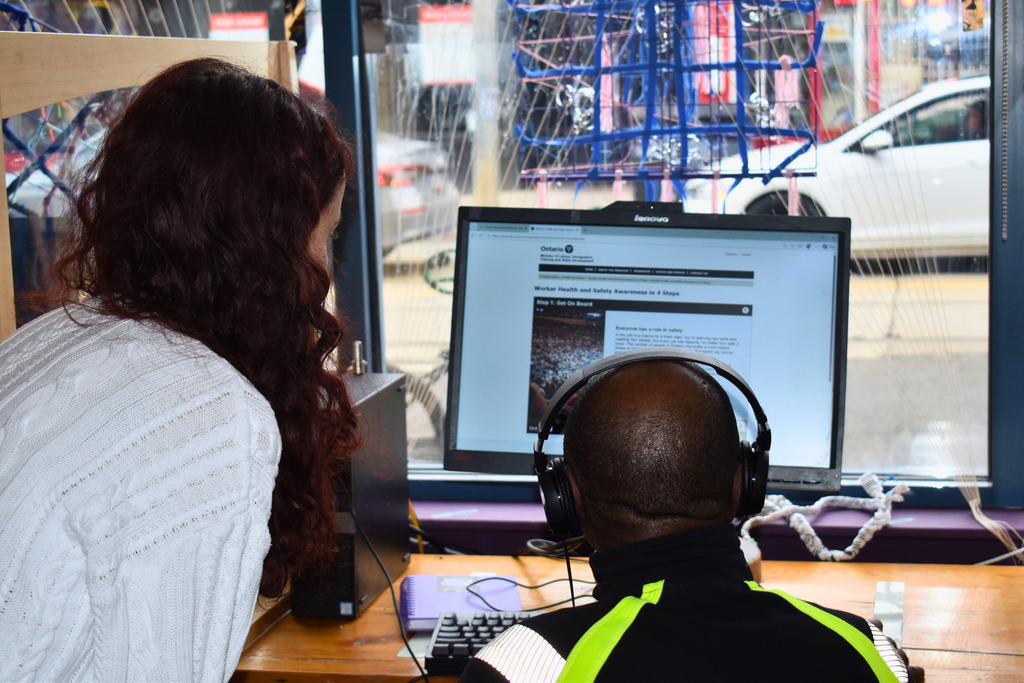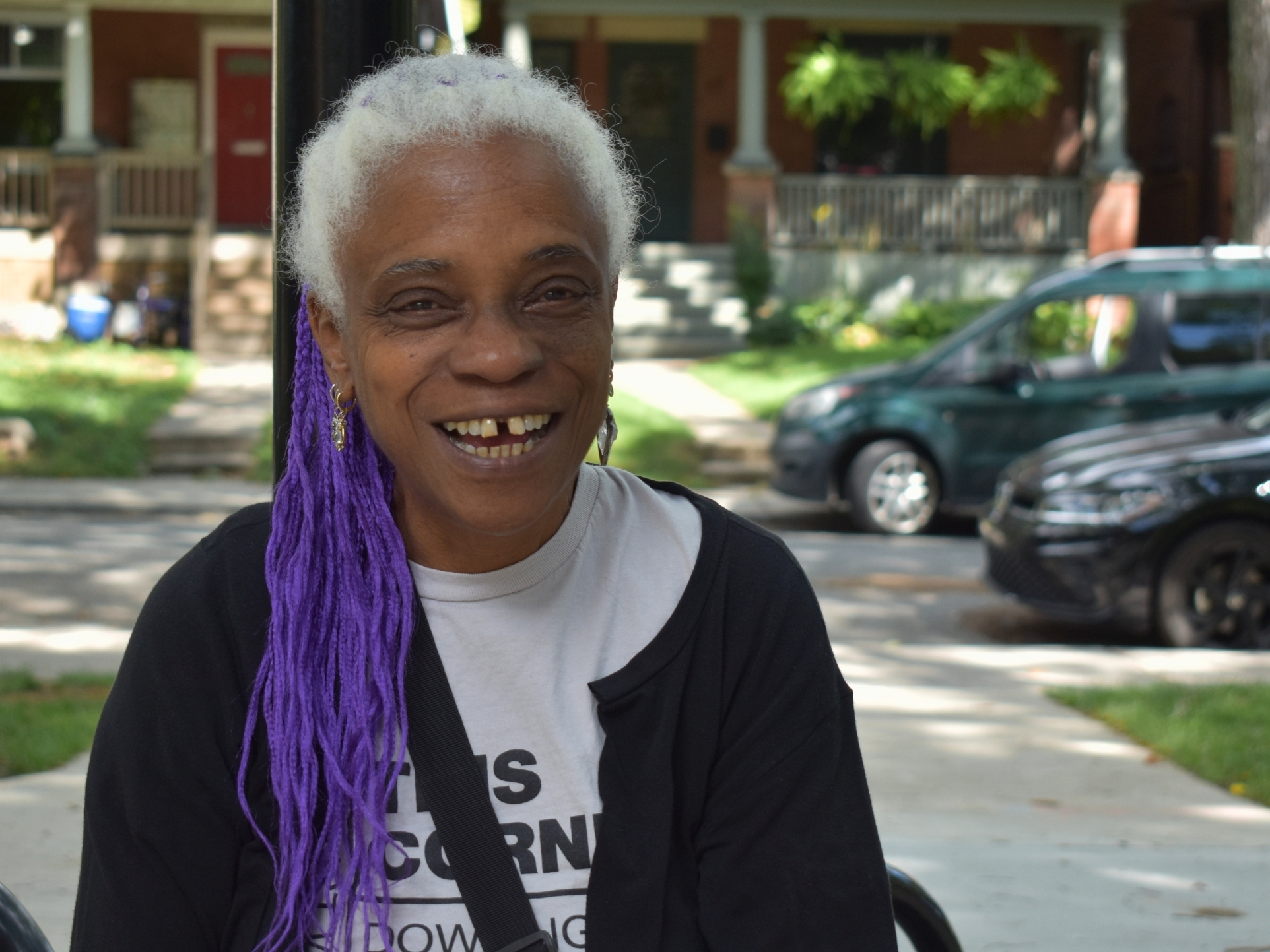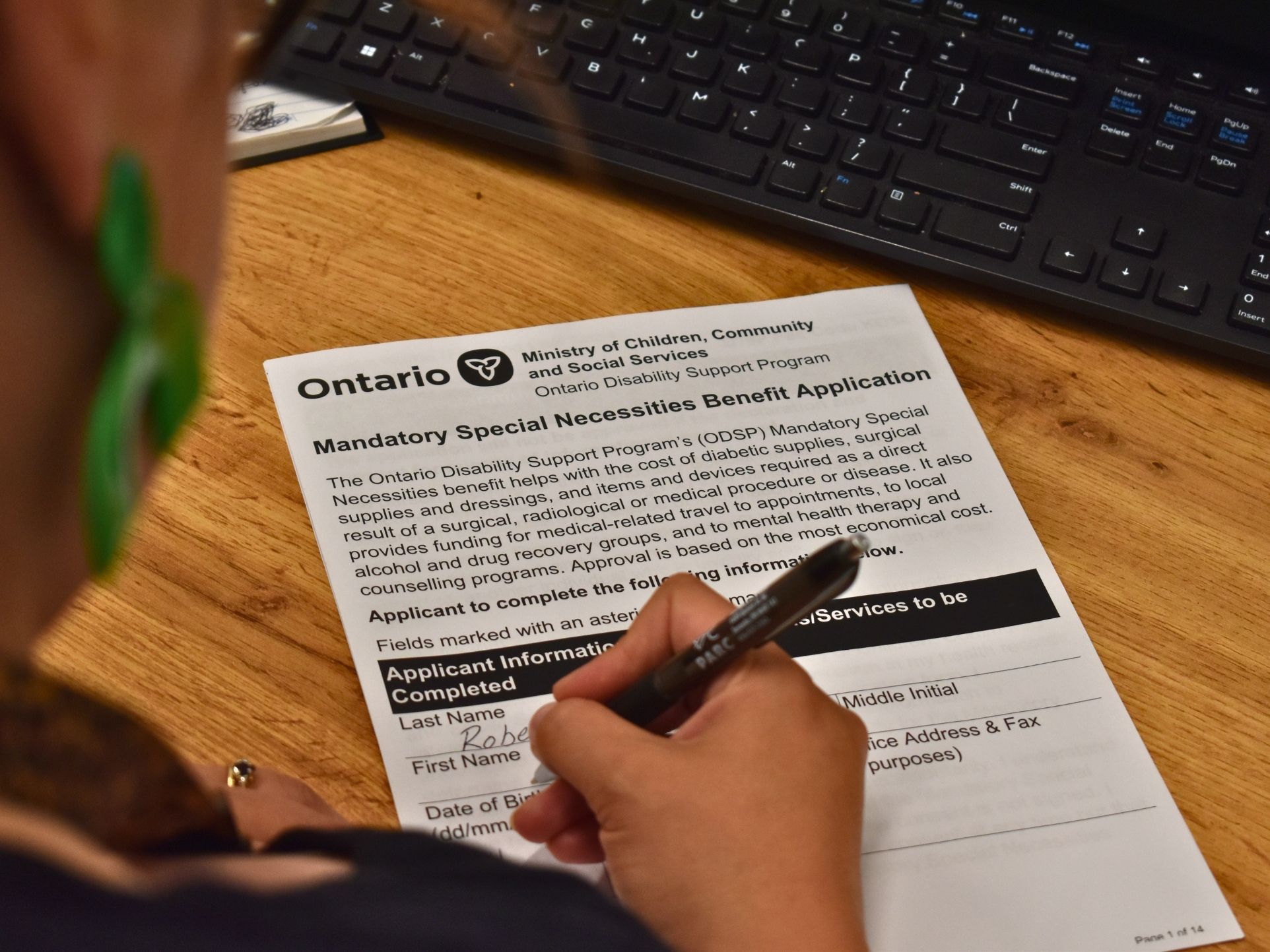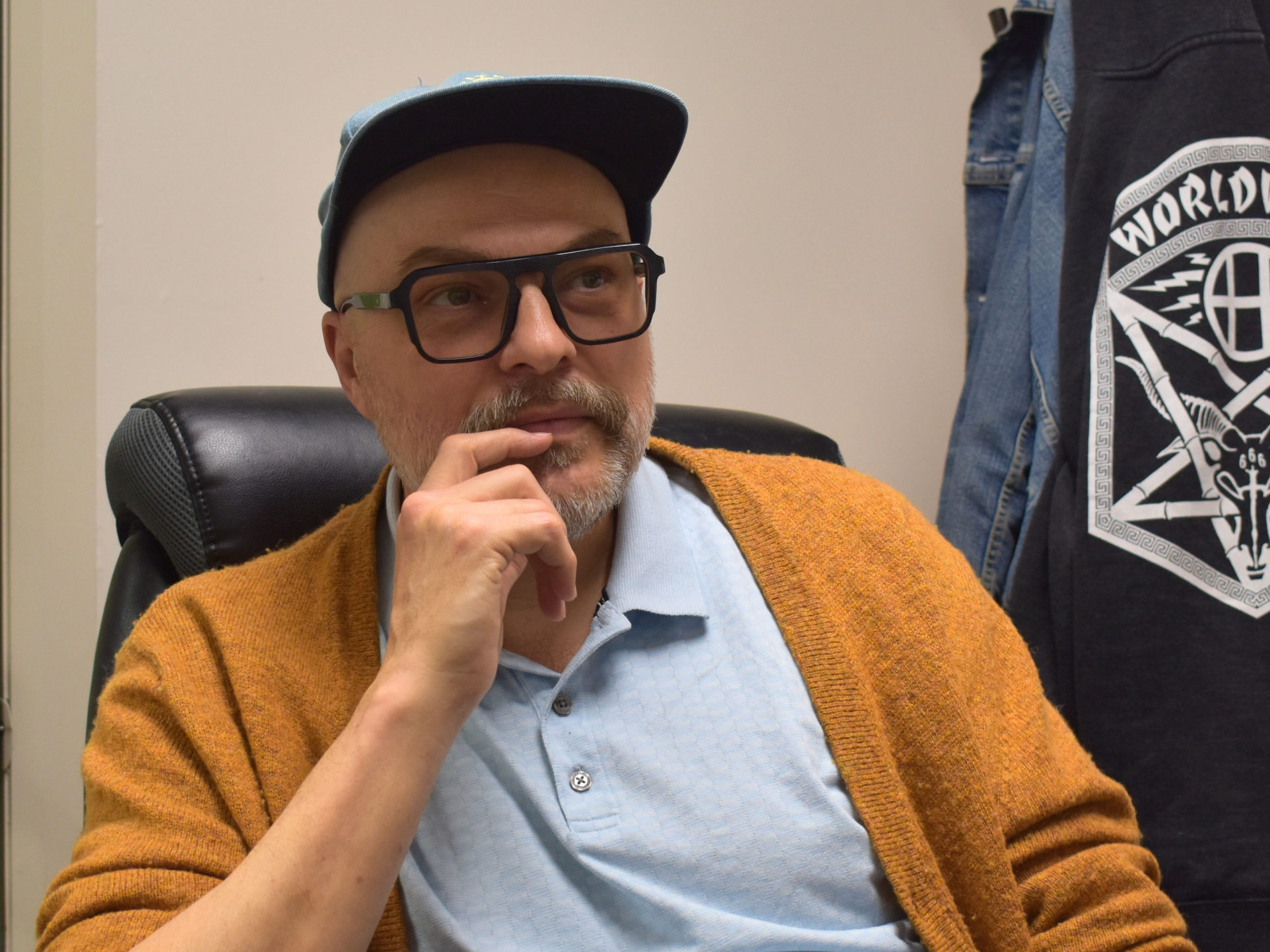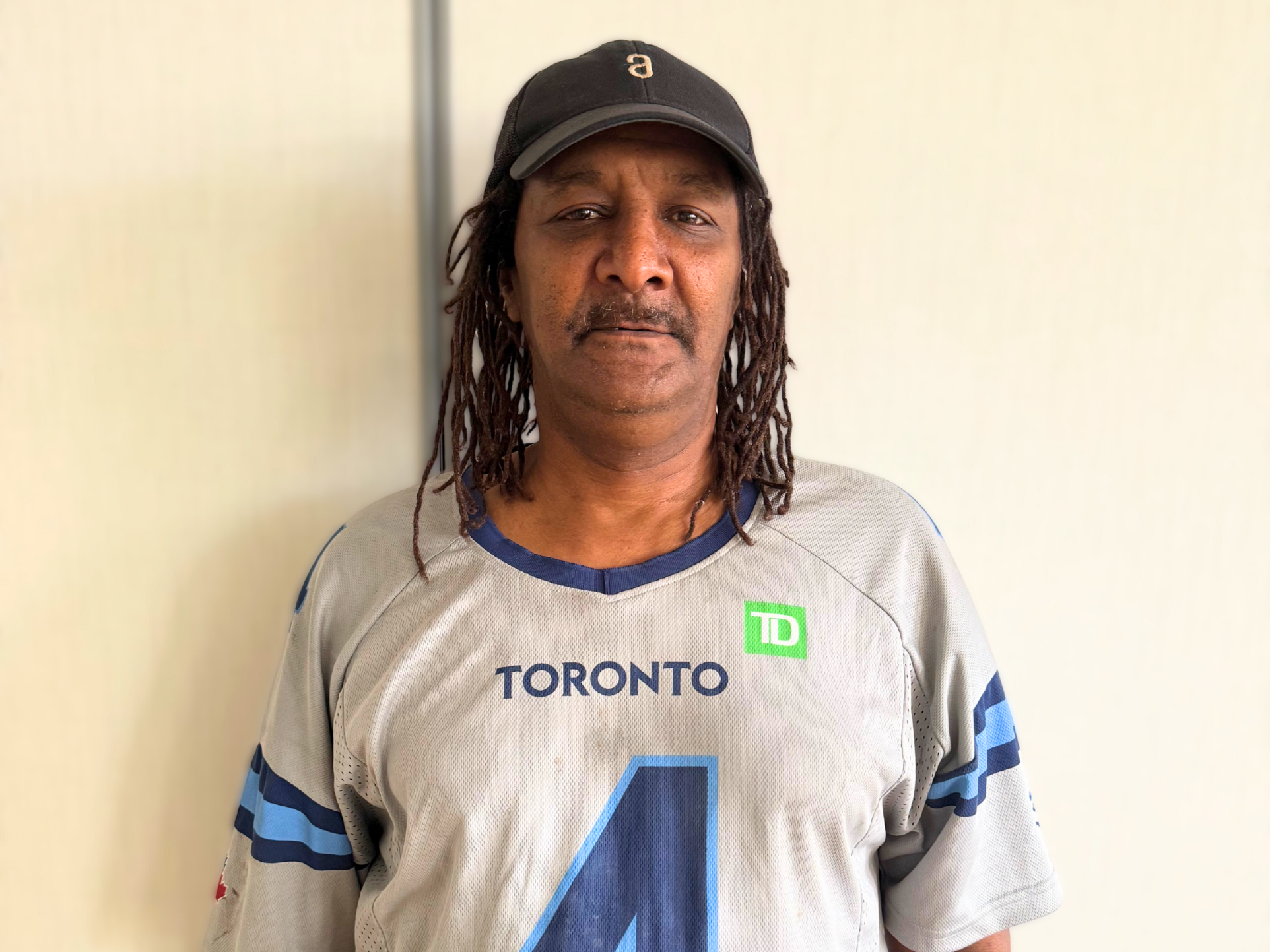
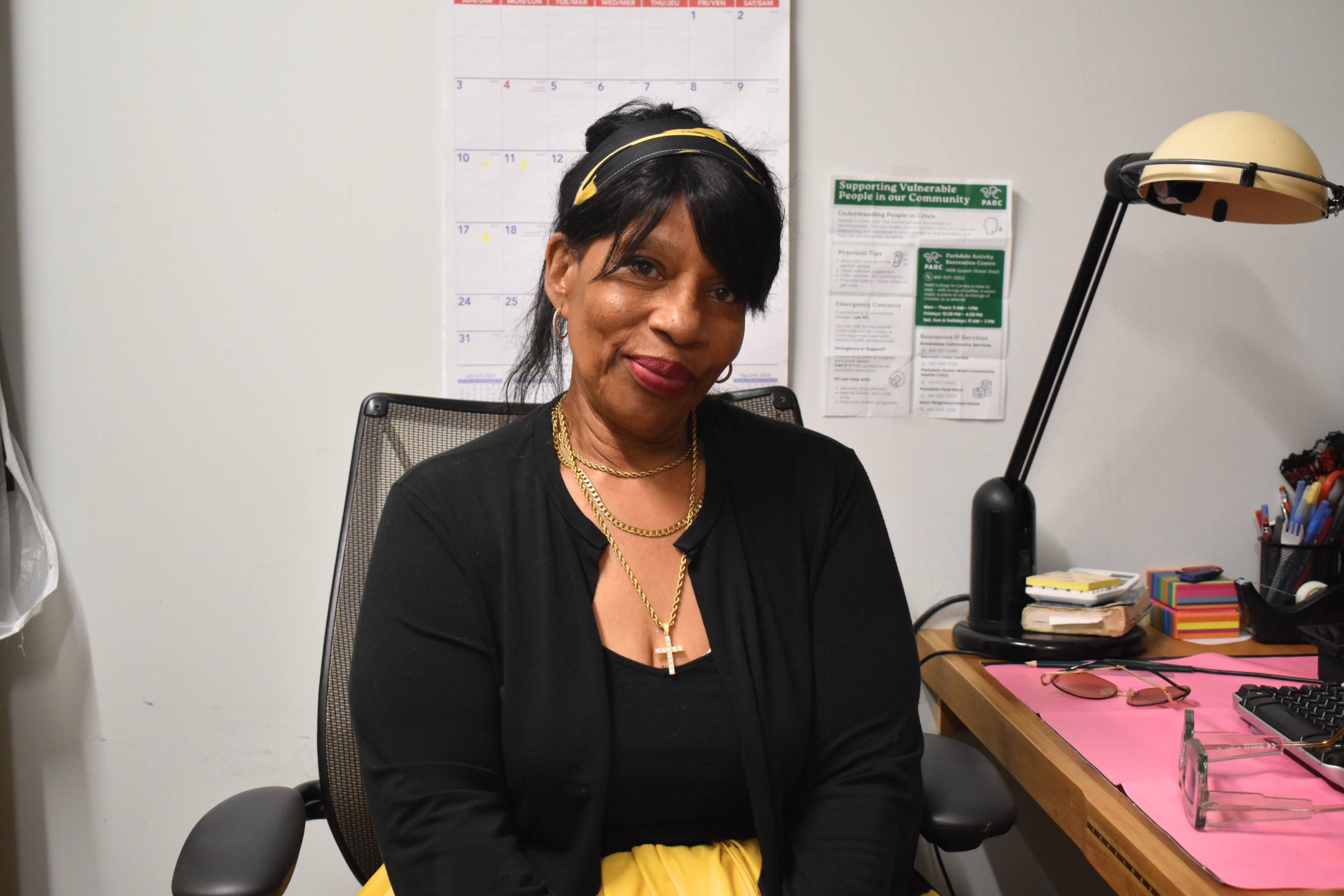
For Labour Day, we spoke with Donna Lee, who runs the pre-employment stream of PARC’s Employment Support Program, on dignified work, self-worth, and the systems that make both harder to reach.
A member sits down across from Donna Lee and tells her they’ll take anything. Any shift, any wage, any job.
“I stop them right there and say no. I’m not going to allow you to do anything. You’re more than that. Let’s find the skill you have and bring it back to light, because I know from what I’m observing that you can do so much more.”
Donna Lee runs the pre-employment workshop stream inside PARC’s Employment Support Program. Members arrive expecting a resumé clinic and instead find themselves building confidence week by week.
She has watched what happens to people who take the first thing offered. “I don’t allow people to go into a situation where they’re going to be abused, because employers can abuse you if you don’t know your rights, if you don’t know what you need to do, and if you don’t value yourself as an employee.”
“If I get you a job and you say you’ll do anything, the first paycheque may feel good, but that’s not what it’s about.”
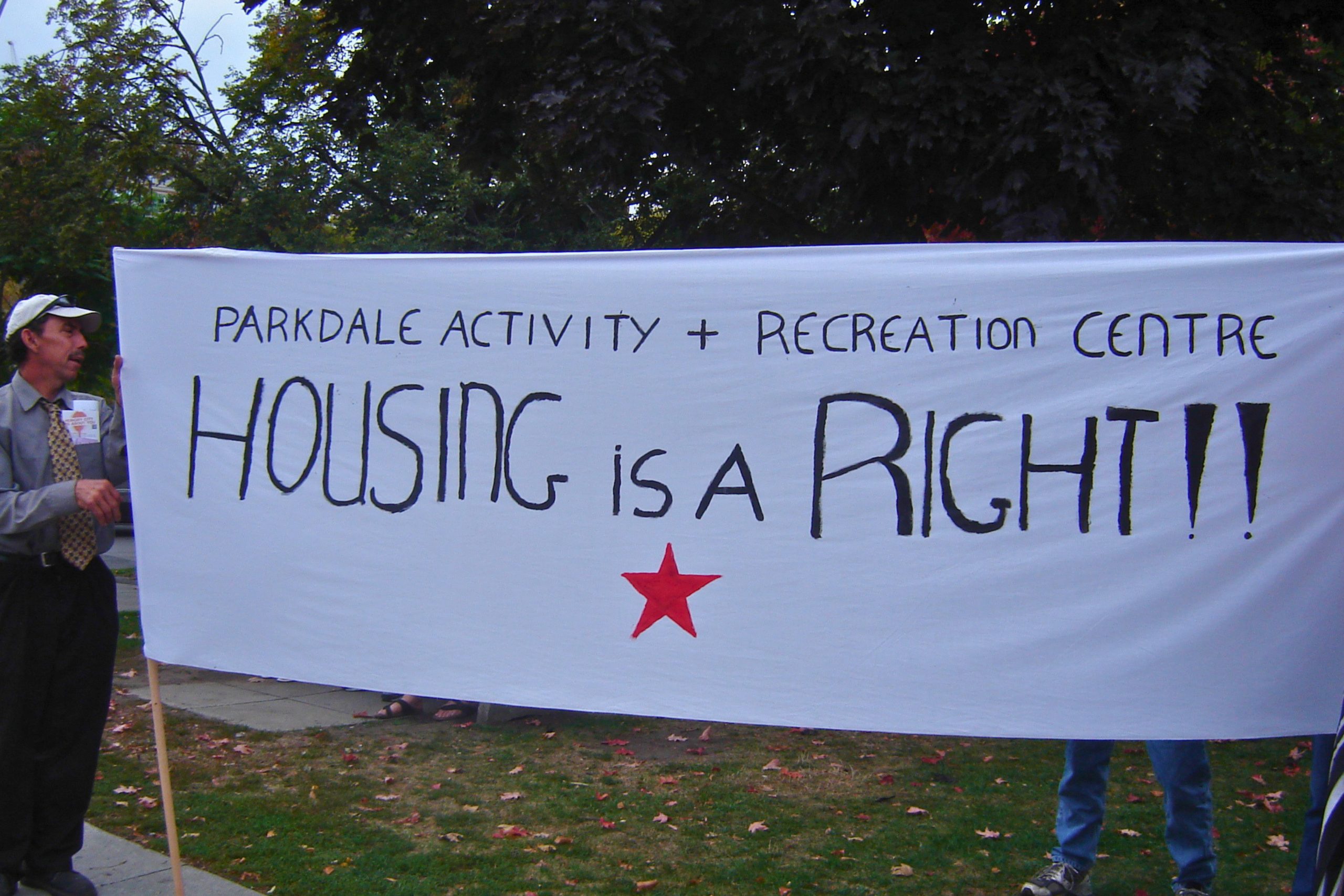
Labour Day marks the movement that won the eight-hour day, the weekend and the right to organize. Those wins don’t reach everyone evenly. Members on Ontario Works or the Ontario Disability Support Program work within earnings rules that claw back income. Employers, meanwhile, read a gap in a resumé as a verdict on a person.
It was never about the job
Resumés and cover letters get written. Interviews get rehearsed until people feel it in their bodies. She calls that the basic stuff, and she doesn’t mistake it for the work.
“Your resumé is a portrait of you in written form. But the main thing is the character you bring out in the interview.”
People arrive focused on income. In her experience the obstacle sits deeper than that.
“People may think it’s about the money, ‘I need to make money, I need to make money,’ but it’s never about the money. It’s about your emotions, your feelings, your worth, your self-worth, your determination, your awareness.”
Get that part right and the interview changes shape.
“Once you develop that within yourself, you know your worth, and you go into an interview with the attitude that they’re lucky to have you there, not the other way around.”
It comes from them
Group work starts with trust, because Donna Lee asks people to say things out loud they don’t usually say. While going around the room, she watches for one moment in particular.
“When they hear themselves talk, and they like what they hear.” It arrives when someone is describing an old job. A good shift, a supervisor’s compliment, a promotion they received. “You see that glow come back into their eyes and their face. Once that happens, it’s a piece of cake, and I can start guiding them.”
The room works on the same principle. She covers the walls in images and affirmations and asks members to choose: I let go of what weighs me down, I am unbreakable, I flow like a river. Choosing is the exercise.
“I put them all around the room and say, pick your affirmation. It can be mind-opening for them, that they get to choose.”
What surfaces is often something the member may have written off. The premise underneath all of it is that our members do have worth, and they do have dignity. “I’m strict about people developing themselves, because if I’m putting in the work, I want them making the decisions they know are right. That doesn’t come from me, it comes from them.”
What the employment support program is up against
None of this happens in a vacuum. Income support comes with earnings rules, reporting requirements and eligibility conditions that take real administrative skill to hold together. Losing that support is easy. Explaining the rules to an employer is harder.
Donna Lee names what living inside those margins does to a person’s sense of the possible. “Money is always the control factor. If you depend on a certain amount of money just to get by, you’ll go through all the stress and complications that come with that, because you believe it’s enough just to get by.”
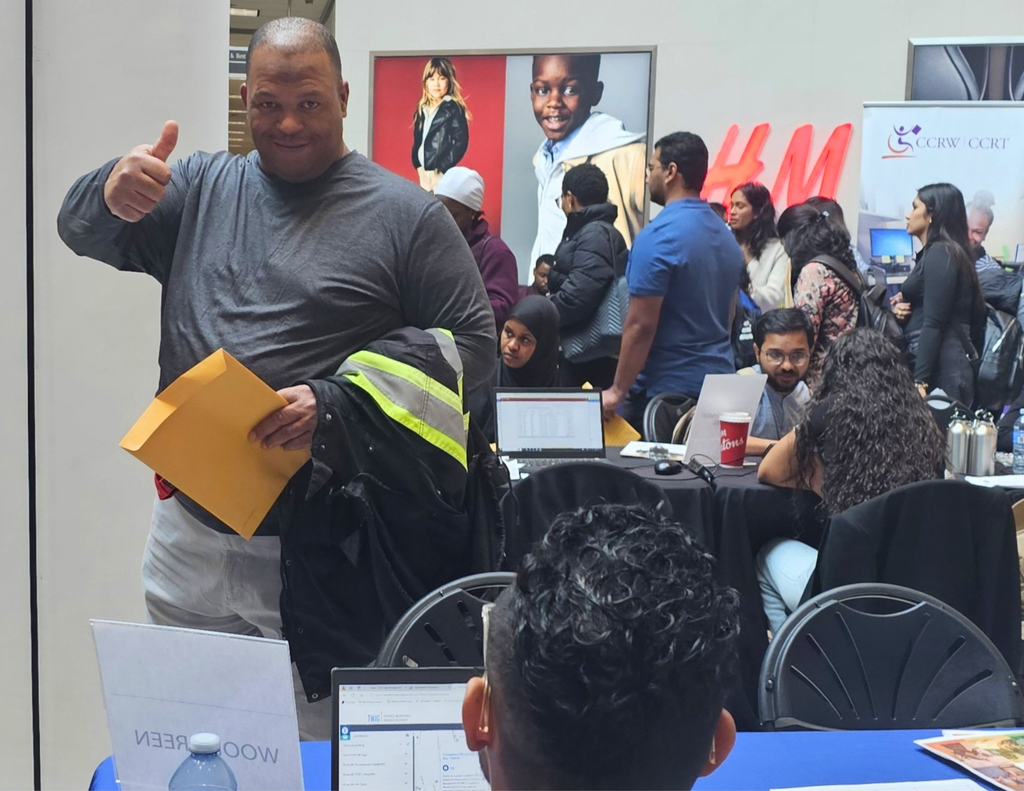
Some barriers come with a dollar figure. A member came back from a job fair having found the career he wanted, having talked to someone in the field, having been told exactly what the path required. Then he told Donna Lee about the outstanding fine standing between him and the training program.
“Are you really going to let that stop you? Pay the bill. You owe it to yourself.”
Donna Lee convinced the member to pay it. Three weeks later, he was accepted into the program.
Employment support program work doesn’t stop at the offer
Finding a job doesn’t mean Donna Lee stops working with the member. “I never want them to feel like once they’ve got a job, they’re stuck with it. You can ace the interview, get the job, and decide it’s not for you.”
What she’s building outlasts any particular employer. Accountability and responsibility are the key. Once you have those, Donna Lee says they grow into every part of your life, well beyond employment.
“If I have something I can teach you and you can excel at it, I’ve done my job.”