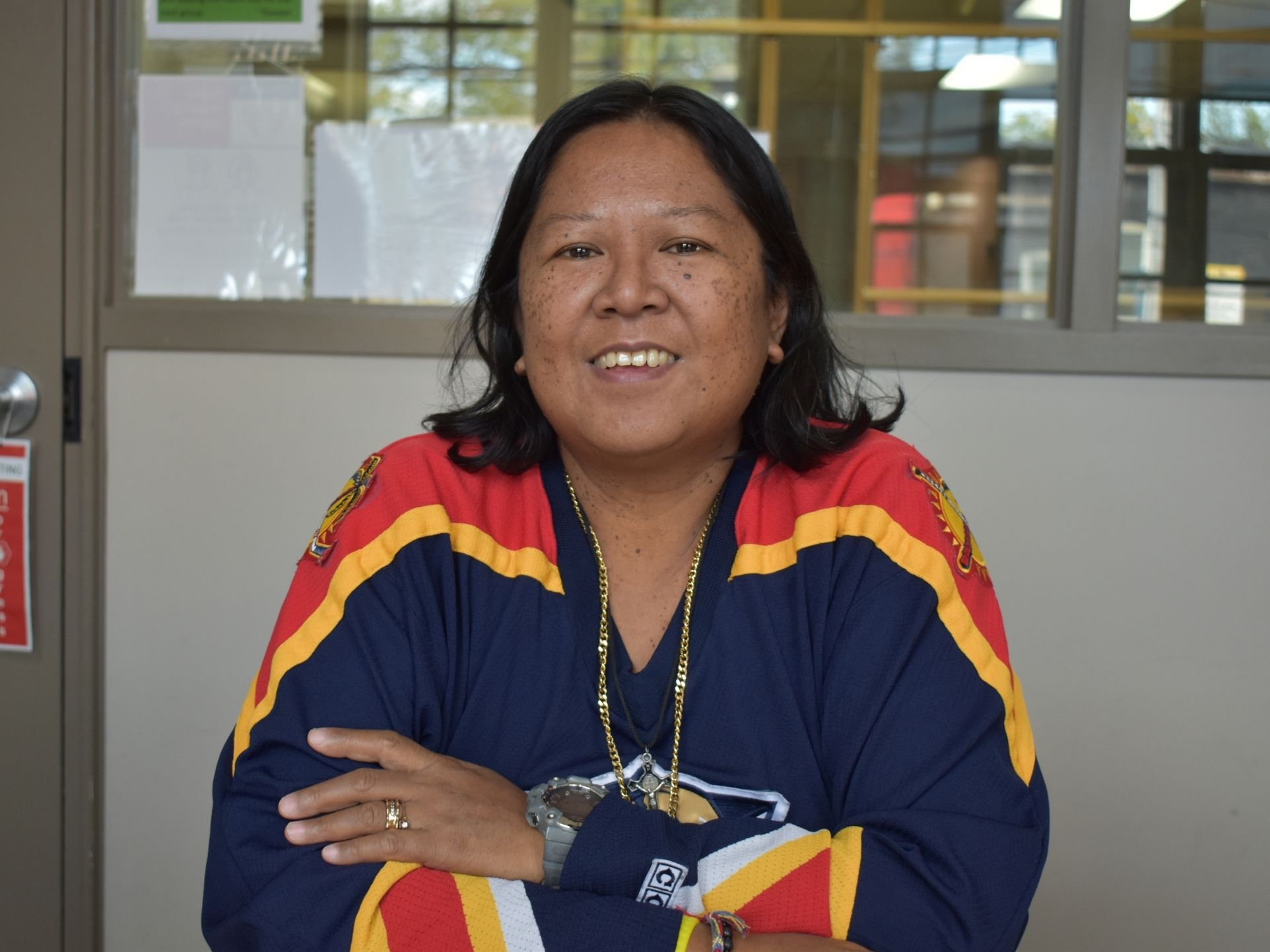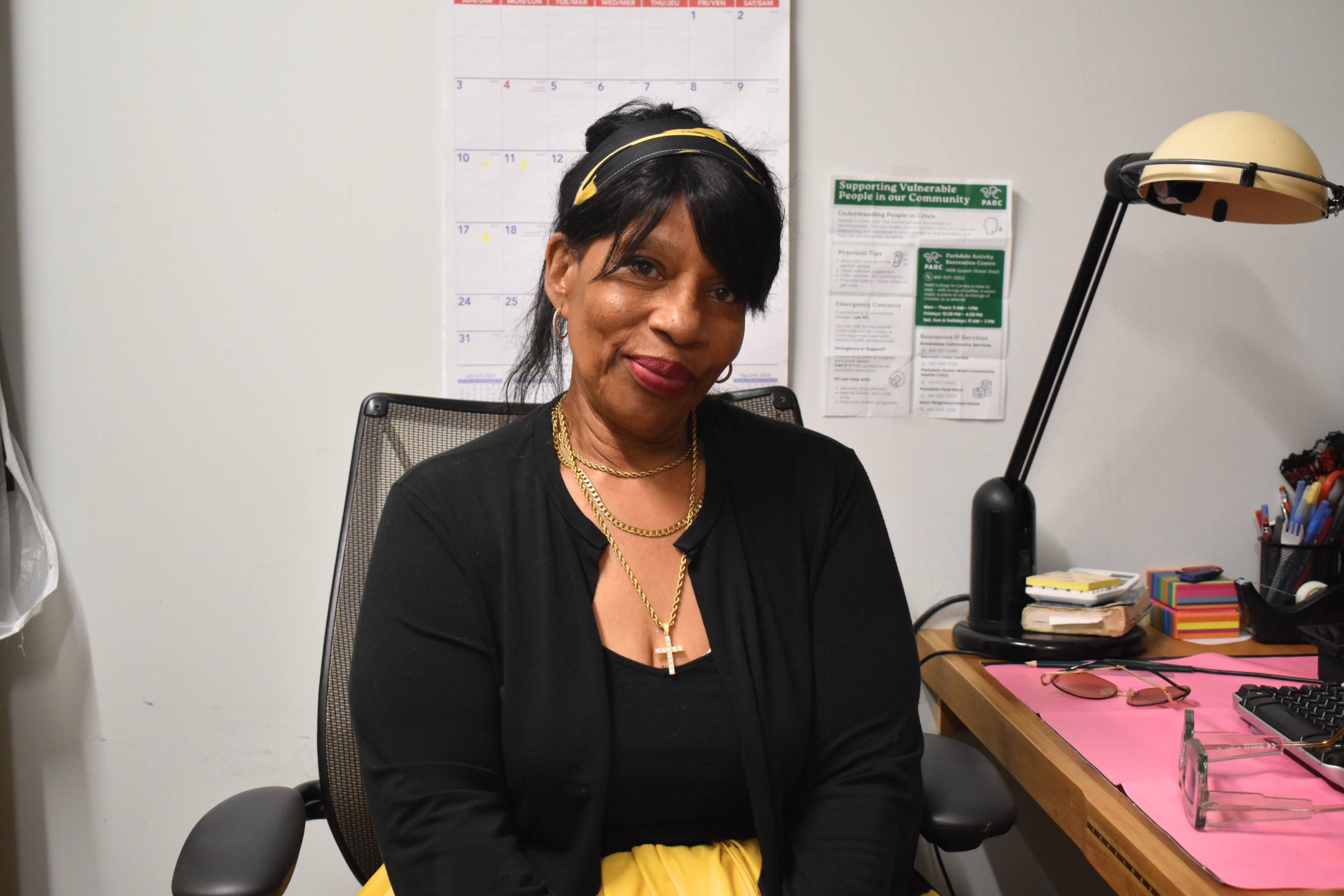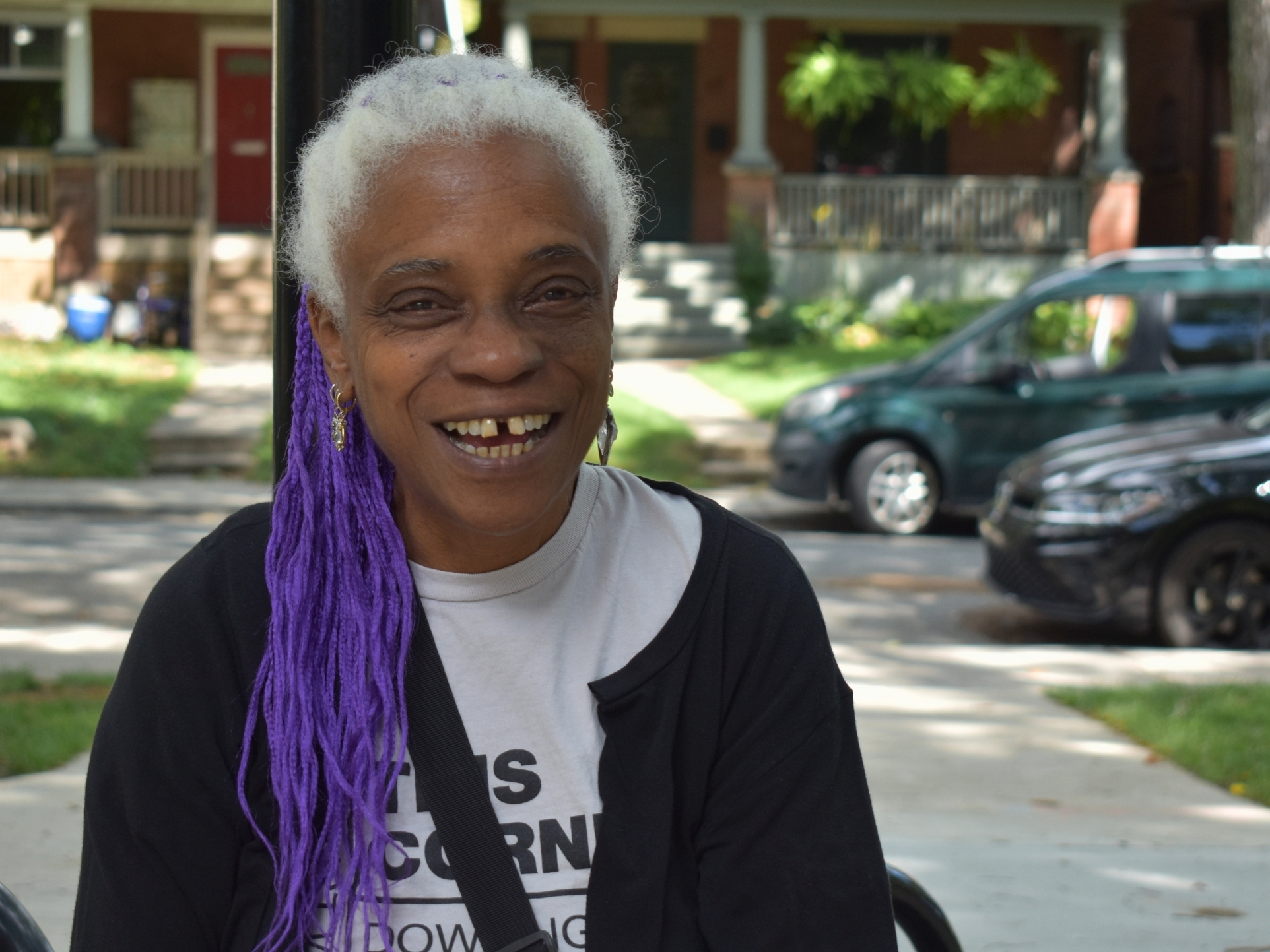
Grandmother Vivian Recollet on healing, reciprocity, and bringing the circle back to PARC
Grandmother Vivian Recollet was 30 years old when she walked into her first Indigenous talking circle. She says that at the time, she did not know who she was.
“I was walking by, and something almost pulled me in,” she says. The group had a teaching planned for that night. Someone looked at her and told her she seemed to need something. What she needed more than anything was to truly understand herself.
Vivian says the group changed its plan and held a ceremony for her instead of the teaching. “They didn’t change the plan for anyone before that,” Vivian remembers. “That generosity, somebody doing that for me, had never happened before.”
That night began a journey of rediscovery through sweat lodges, aunties’ circles and ceremonies across Turtle Island and beyond. Today, Vivian practices the same generosity for others.
Today, Vivian leads monthly Indigenous Talking Circles at PARC, the first circle PARC has hosted in about 30 years. Talking Circles, sometimes called Healing Circles, are a traditional practice used by many Indigenous communities to bring people together to share experiences, listen, learn and build connections. Participants sit in a circle to reflect and share, with opportunities for everyone to speak and be heard, if they choose.
What was taken
Grandmother Vivian’s earliest memories are of Wiikwemkoong First Nation in northern Ontario, where children spoke their language and moved freely between homes. “Aunties, uncles, everybody took care of us,” she says. “There’d be a pot of soup on the stove all the time, so you could stop in and eat, then do your dishes and go back out to play.”
Then came Indian day school, run mostly by nuns, where she was beaten for not speaking English. Vivian was later taken into the foster system as part of the Sixties Scoop and separated from her family.
Her parents were residential school survivors, but it wasn’t until she was an adult that she learned more about the abuse they experienced as children. She came to see how their experiences had shaped the way she was raised. “These are all trauma responses,” she says. “Impacts of colonialism.”
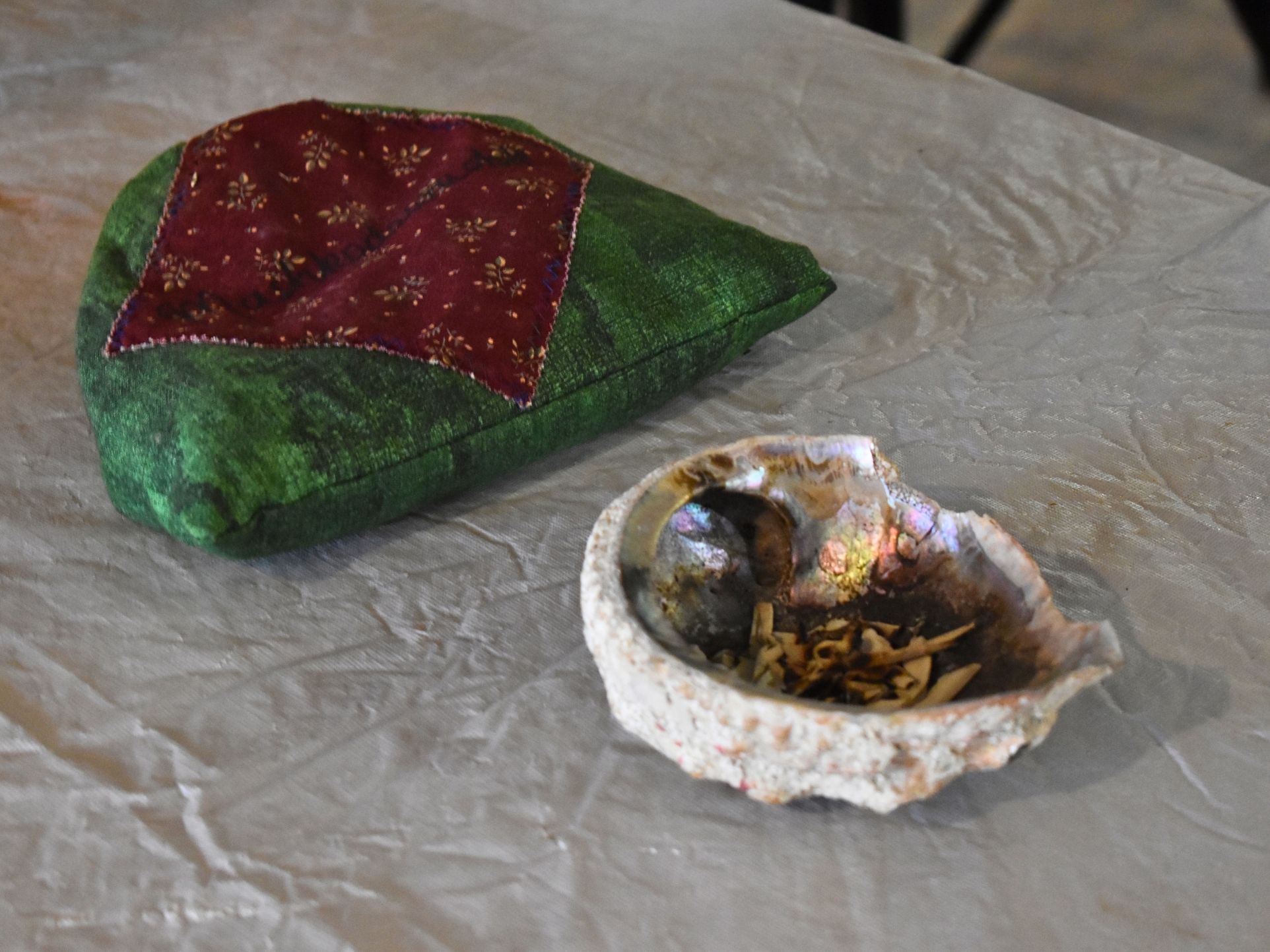
Her path to finding her culture began in Parkdale. At The Nest, a space run by an Indigenous healer, she was introduced to the sacred medicines and ceremonies that had been kept from her as a child.
What the circle holds
Vivian describes the Talking Circle as a place to talk and a place to share. “Some people are afraid to talk about things, but they might hear somebody else who had a similar experience, and then they think, ‘I’m not alone in this,'” she says. “That shared pain, moving forward together. That’s the circle.”
A nurse by training, Vivian has spent much of her career in Indigenous health promotion. Her advice for making a Talking Circle work is consistency. For settlers, that means taking responsibility for keeping the work going.
Reciprocity with the land
Vivian teaches that care must extend beyond people to the land and animals. In the creation story she shares, the turtle offers its back to hold Sky Woman, and the muskrat sacrifices himself to bring up the soil that became land. For Vivian, the story speaks to our responsibility to care for the natural world. “That’s the small amount we owe the animals in return,” she says.
She puts these teachings into practice locally, helping tend the Indigenous garden at Parkdale Queen West Community Health Centre, serving as lead grandmother for the traditional and prescribed burns in High Park, and caring for native turtle habitats as a turtle protector. “If you can take care of a garden, you can take care of yourself,” she says.
The water teaching she shares carries a similar lesson. Water gives life to everything it touches, without judging who deserves it. Vivian sees this as a lesson in how we care for one another, and it reflects the spirit of the Talking Circle, where people can share, listen and extend that same care in our communities.
What was passed on
Vivian did not come to know her culture until she was 30, and she promised herself that her son would never have to wait that long.
She says he was in ceremony from the time he could walk and learned the language and the sacred medicines from an early age. He spent his childhood in the bush with Elders, where he learned which plants mark a trail, how to make fires, and how to find water.
Years later, he teased her: “You robbed me of my childhood, Mom.” Then he reflected on what that childhood had given him. “That’s what a community is about,” he told her. “That’s about love and family.” Many of the people who helped raise him were not related by blood, but through ceremony they became family.
Vivian carries her mother’s traditions forward too. When she gets ready to go out, she wears red lipstick, the way her mother did. It was the one thing her mother did to feel beautiful. When Vivian shared this with her granddaughter, her granddaughter asked to wear it too. “If you wear it, then I can wear it too,” she said, “for you and for her.”
What the talking circle once gave Vivian all those years ago, she gave to her son. Now her granddaughter carries it forward.
What PARC owes to the circle
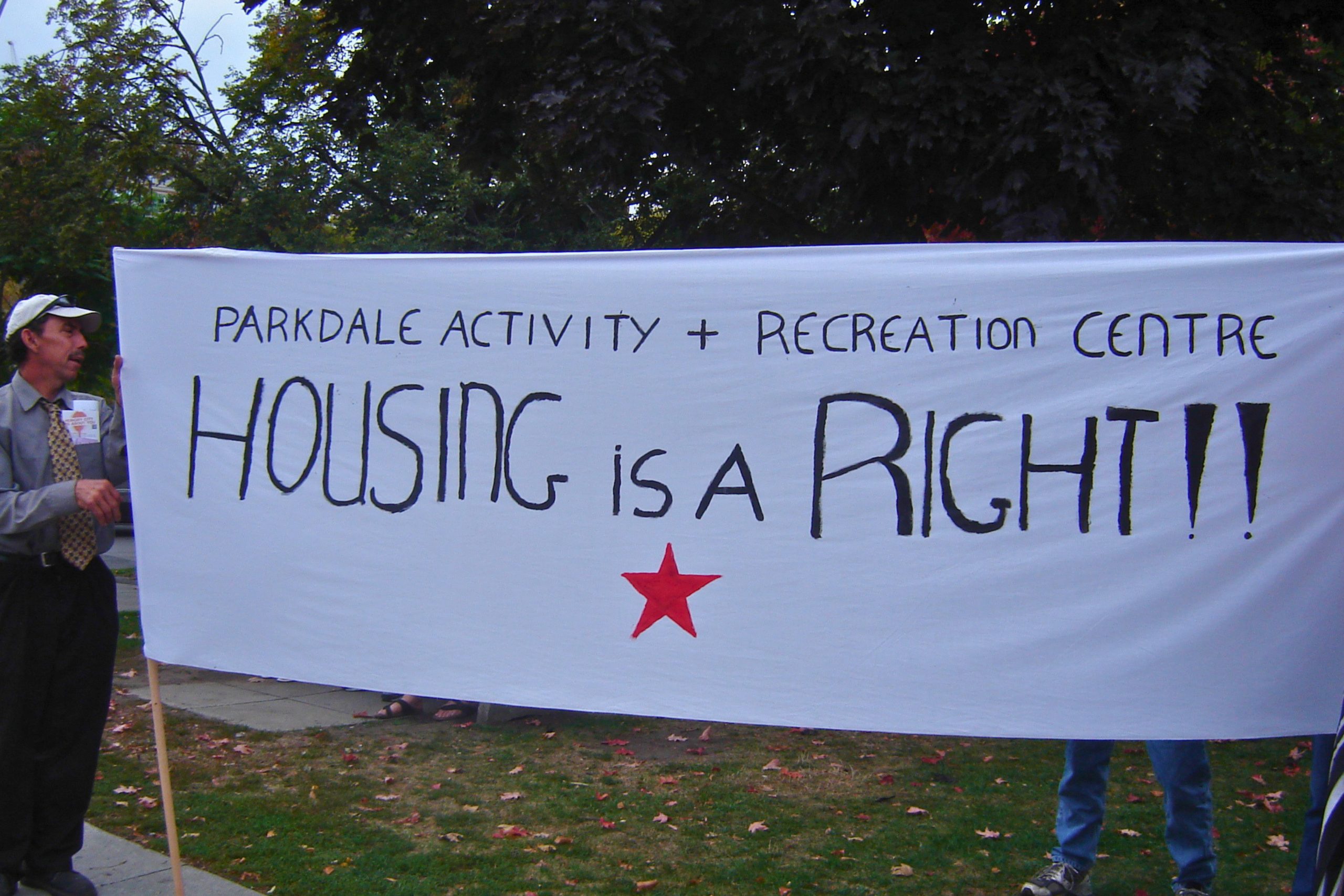
PARC is not an Indigenous-led organization, and we recognize that reconciliation requires more than a statement of commitment. It requires us to listen, learn and make space for Indigenous knowledge and leadership. We have not always moved as quickly as our words, and we have more work to do.
Vivian’s experience shows what can be possible when culture and community are within reach. Vivian’s son grew up surrounded by his culture and by Elders who guided him. That upbringing shaped the whole course of his life. That knowledge belongs to Elders and their communities. PARC’s role is to keep making room for it.
By bringing the Indigenous Talking Circle to PARC, Vivian is sharing something that was once made available to her when she needed it. Our responsibility is to support that space with consistency, care and the resources needed, as we continue serving the community.
Join the Indigenous Talking Circle
The Indigenous Talking Circle meets on the second Tuesday of each month at PARC, starting around 1:15 p.m. It is open to all Indigenous members of PARC and the community.
To learn about Canada’s obligations to Indigenous Peoples, read the Truth and Reconciliation Commission’s 94 Calls to Action at the National Centre for Truth and Reconciliation.