Decades of underinvestment shaped Toronto’s Housing crisis
It wasn’t always like this… The affordable housing crisis in Canada was not inevitable. Policy choices built it. But policy choices can also dismantle it. Canada was once facing a severe housing shortage during the Great Depression. To improve conditions for Canadians, the federal government introduced early housing legislation and programs that laid the foundation for a national housing policy. The federal government used a Crown corporation to build more than 45,000 homes. After the war, federal and provincial governments worked together to build publicly owned housing for low-income families, seniors, and people with disabilities.
By the 1970s, governments treated housing as a public responsibility. All three orders of government backed a system of public, co-operative, and non-profit housing.
Neoliberalism and the private market
That consensus broke in the 1980s and 1990s. Rising neoliberal economic policy pushed responsibility for housing onto provinces and municipalities. It relied on the idea that the private market would meet housing needs. Ottawa slashed its investment and cancelled many planned projects, shifting to a market-driven system.
Governments did not stop building affordable housing because the need disappeared. They stopped because they chose to believe the market would provide. The consequences became clear over time. Rents rose, waitlists grew, housing insecurity spread, and homelessness climbed. Those problems continue today.
Financialization of the housing crisis
In theory, it was a simple idea. If private developers built more housing, competition would increase and prices would become more affordable. So in 1995 the federal government ended funding for any new affordable housing and for the next seven years. Almost no new non-profit housing was built in Canada.
But private developers build housing to generate profit, not to meet the needs of people. As housing began being treated as an investment, rising property values and rents became a source of wealth for investors. Meanwhile affordability and security declined for renters. Governments assumed the private market would provide much needed housing, but in practice the affordable housing supply stagnated while rents and homelessness continued to rise to crisis levels.
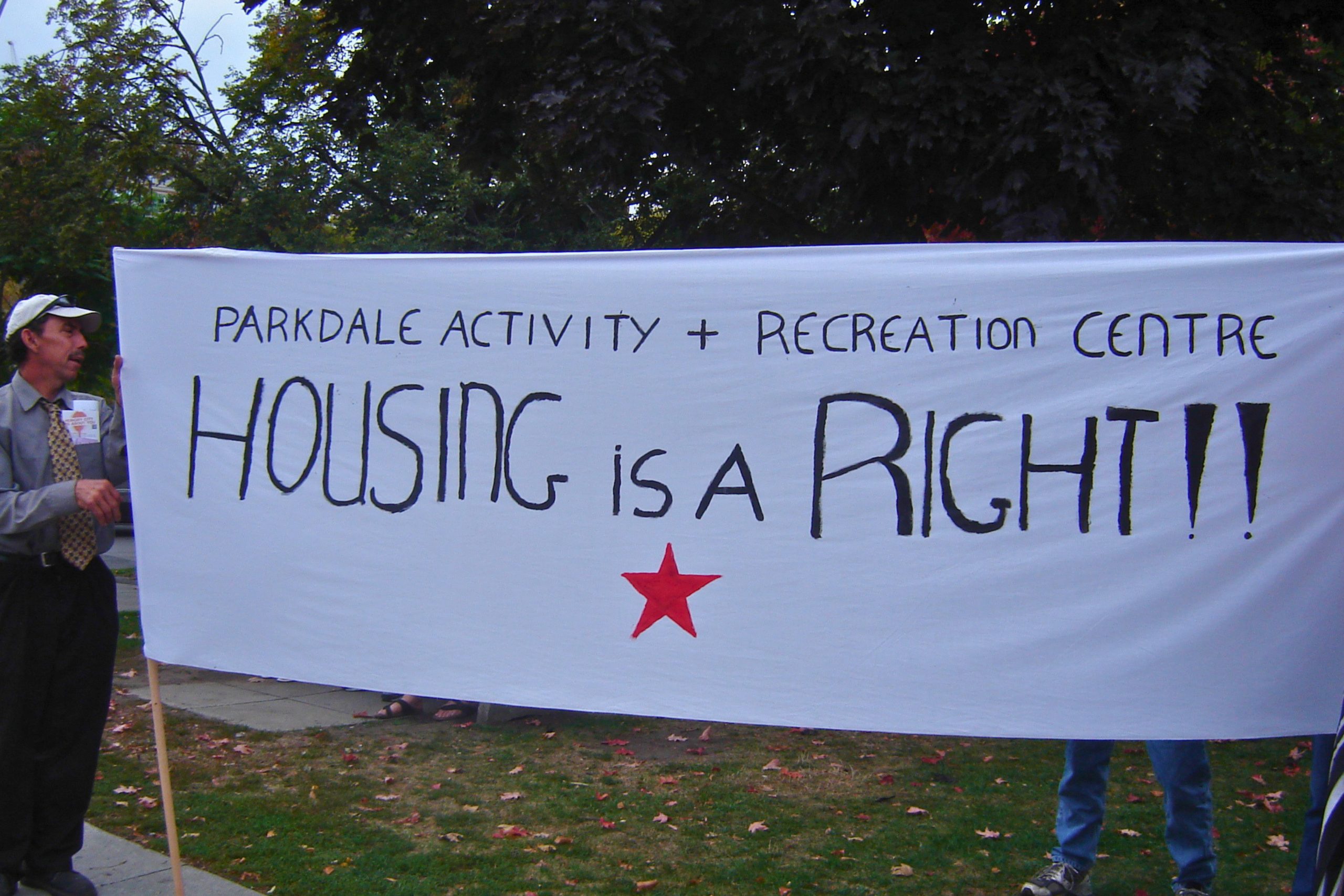
The Housing Crisis is a Homelessness Crisis
International indexes now rate Canada “severely unaffordable.” The City sets the average market rent for a one-bedroom apartment at $1,763 a month. A full-time worker earning Ontario’s $17.60 minimum wage earns about $3,050 a month before tax. That rent claims close to 60 per cent of their pay before any deductions on their pay cheque. Available units on the open market list for even more. The 30 per cent affordability benchmark is long gone in Toronto.
For some, affordable and rent-geared-to-income housing is the only option. Unfortunately, the supply is too low. Close to 105,000 households sit on Toronto’s subsidized housing waitlist, and waits reach up to 14 years.
When affordable housing takes more than a decade to access, and market rent consumes nearly all of a person’s income, homelessness is the predictable outcome. It is what happens when a system stops treating housing as a human need.
A Housing First Model
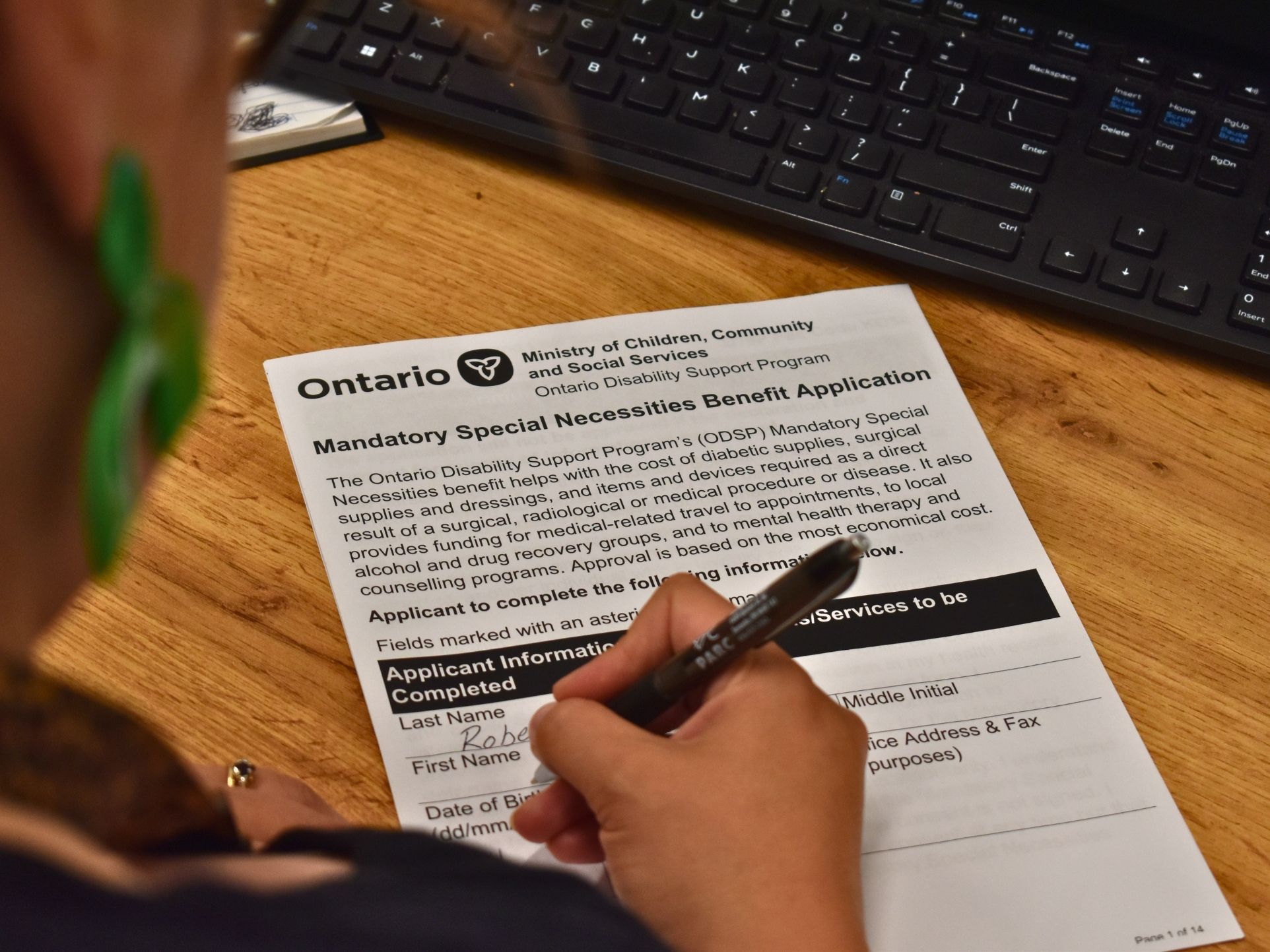
PARC was built on the opposite premise: that housing is a foundation, not a reward.
PARC operates on a Housing First model. This means we give people a stable home without preconditions. No one has to prove they are “housing ready,” sober, or in treatment to qualify. From there, our harm reduction supports help tenants stay housed and build health, safety, and connection on their own terms. Stable housing comes first, because everything else depends on it.