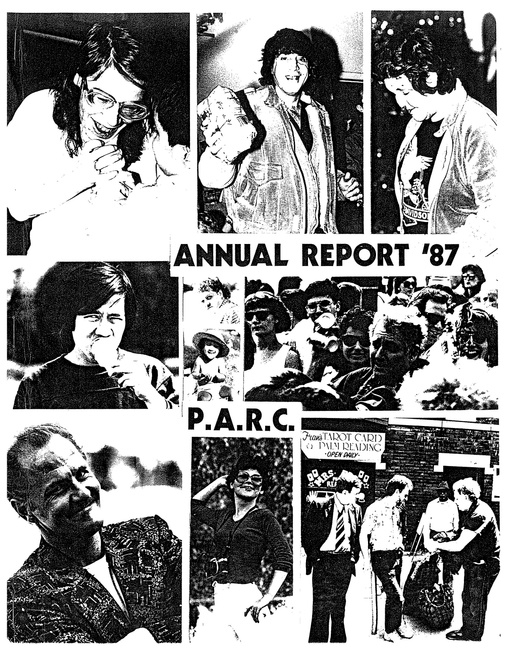
A group of concerned citizens, community workers, and volunteers established the Parkdale Activity-Recreation Centre (PARC), in response to the fallout of deinstitutionalization, which left many ex-psychiatric patients in local rooming houses without support. PARC quickly became known as“Parkdale’s living room.”
PARC officially opens its doors at 1499 Queen Street West as a pilot community mental health program. For more than 45 years, our work has evolved to include member-driven programming, food security, social spaces, employment opportunities, and supportive housing.

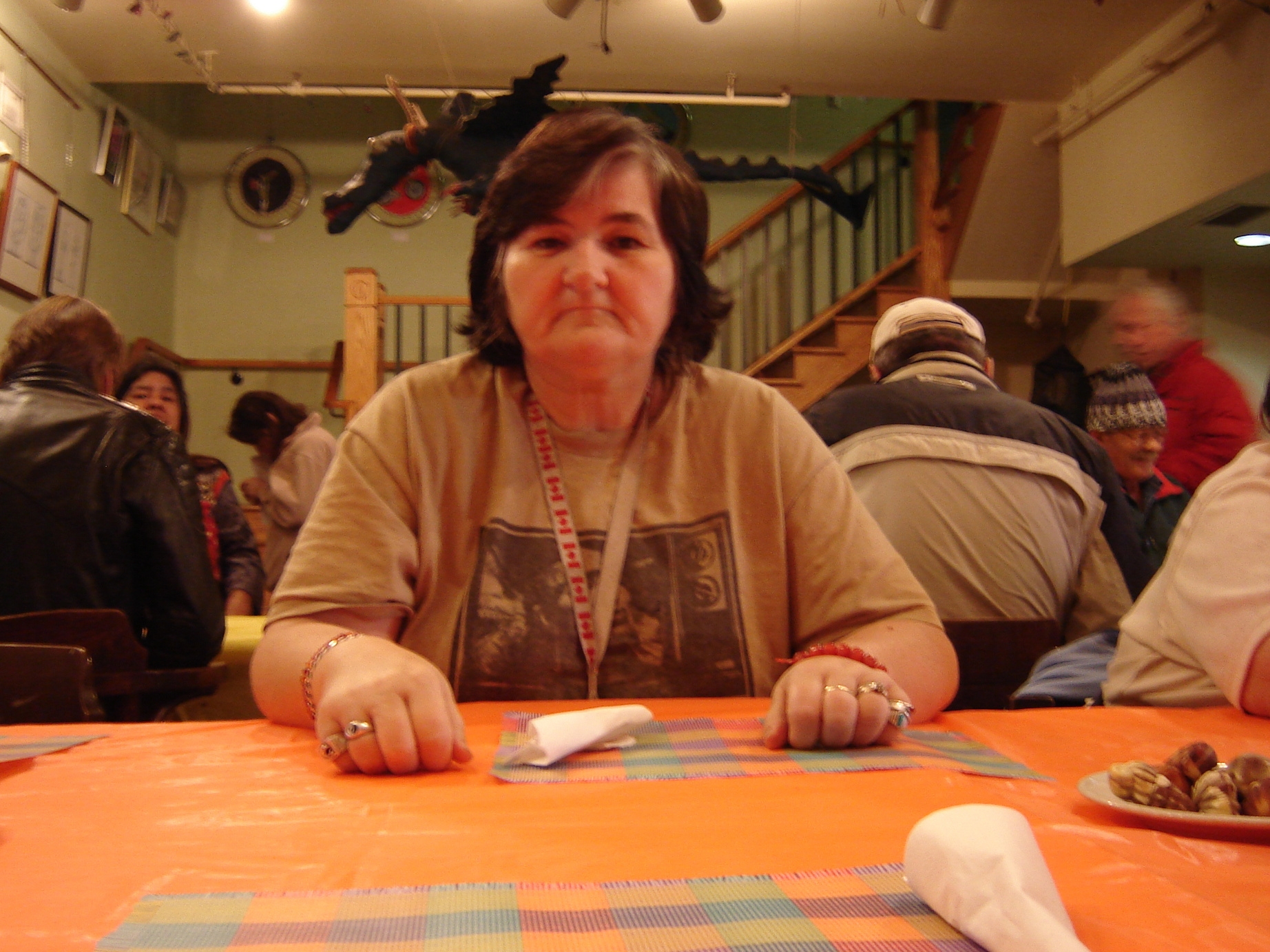
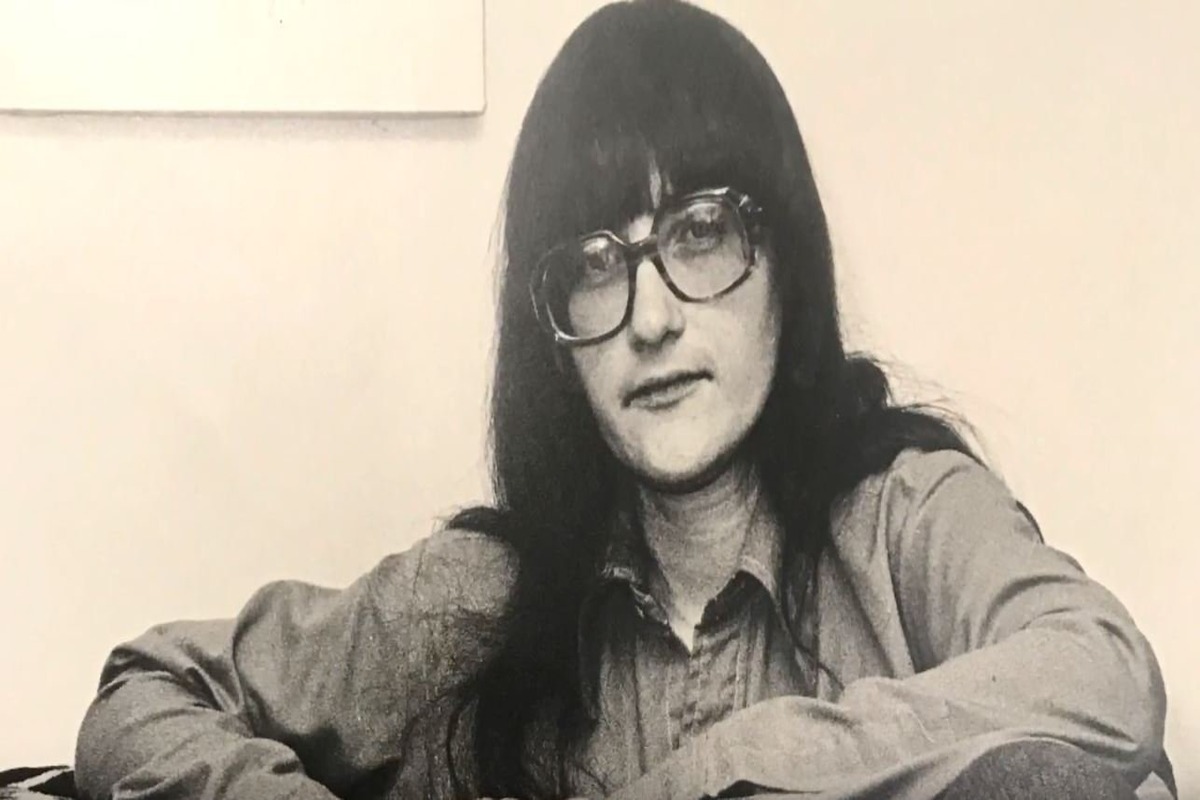
Pat Capponi helps guide PARC toward a member-driven model, ensuring people with lived experience of mental illness lead decision-making. This legacy continues today, with 50% of PARC’s Board comprised of members.
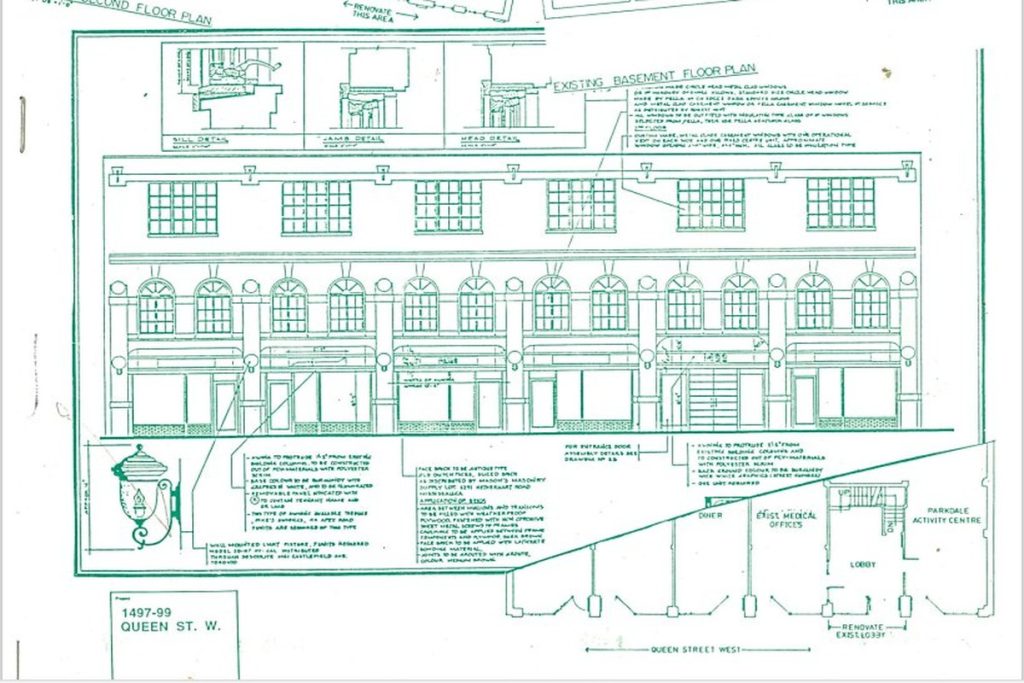
PARC purchases 1499 Queen Street West, securing a permanent home for its programs and ensuring stability for the growing community.
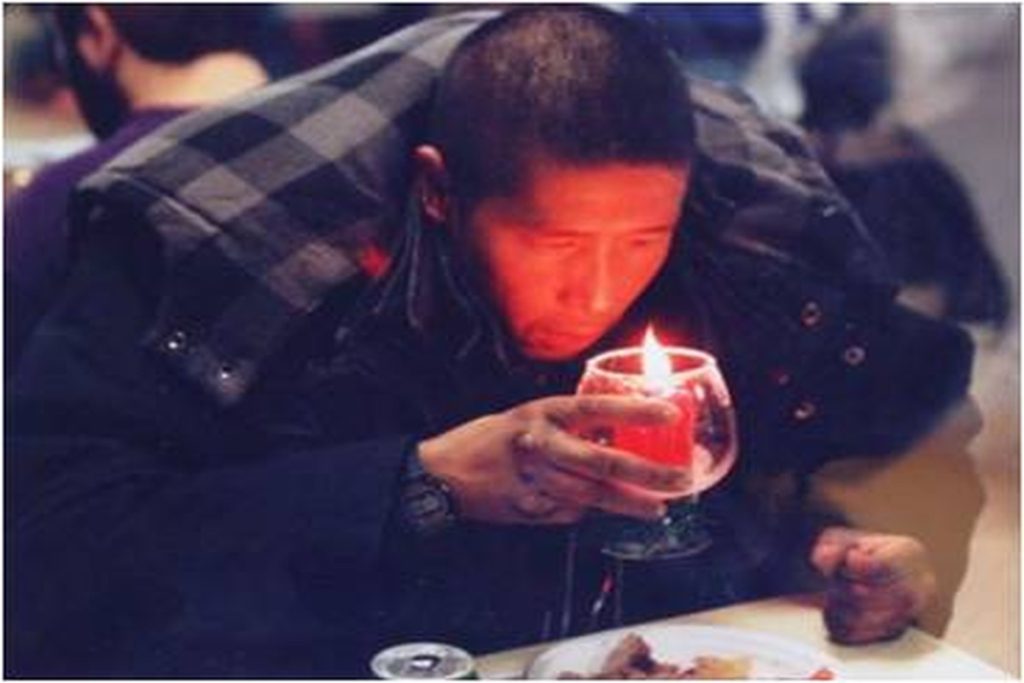
Edmond Yu lived at 1495 Queen Street West but was evicted in 1996 due to complaints about his “behavior.” Tragically, he was fatally shot by police at Spadina Quay in February 1997. The following year, a fire at the same building displaced 48 tenants and took two lives. PARC played a key role in advocating for housing solutions for survivors and others experiencing homelessness.
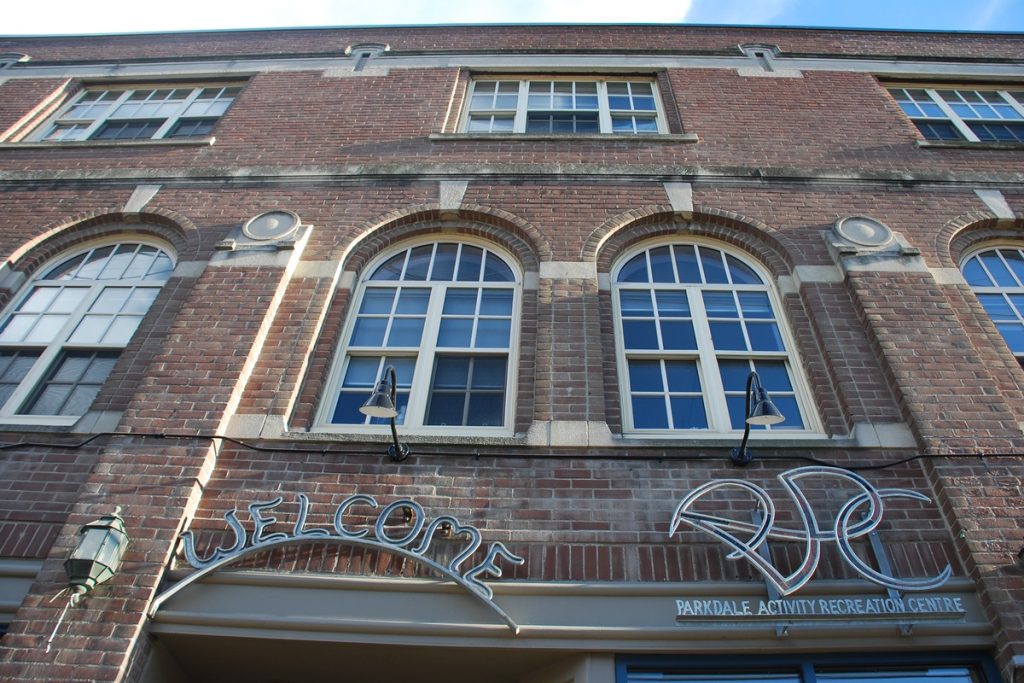
PARC opens 10 supportive housing units on the third floor of 1499 Queen Street West. The Board also dedicates building commercial units to non-profit and charitable organizations, creating a hub of community services and collaboration.
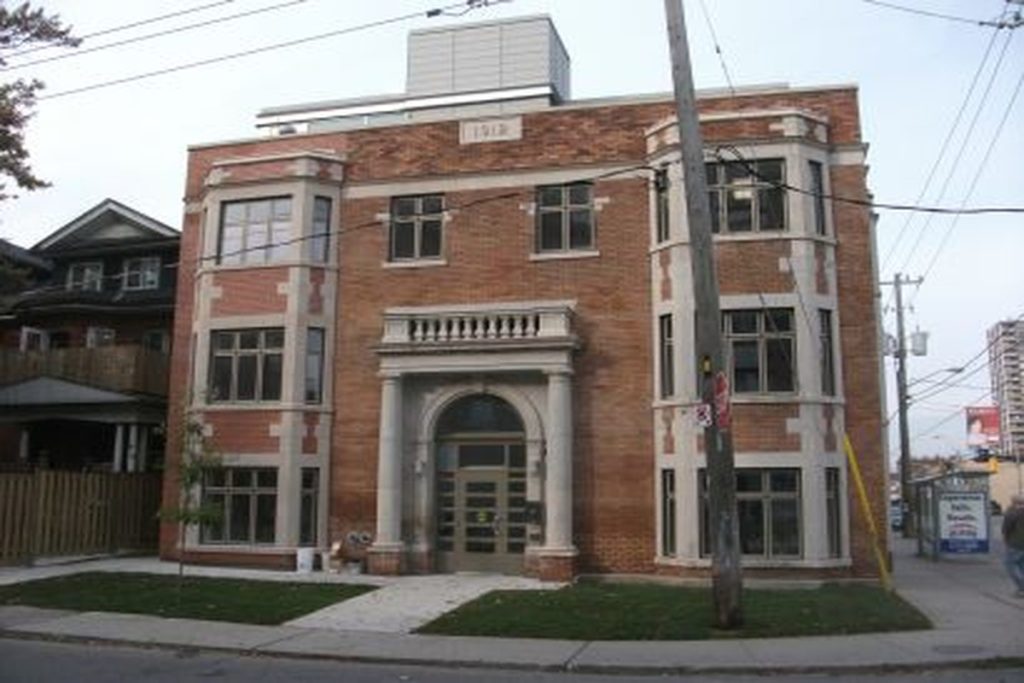
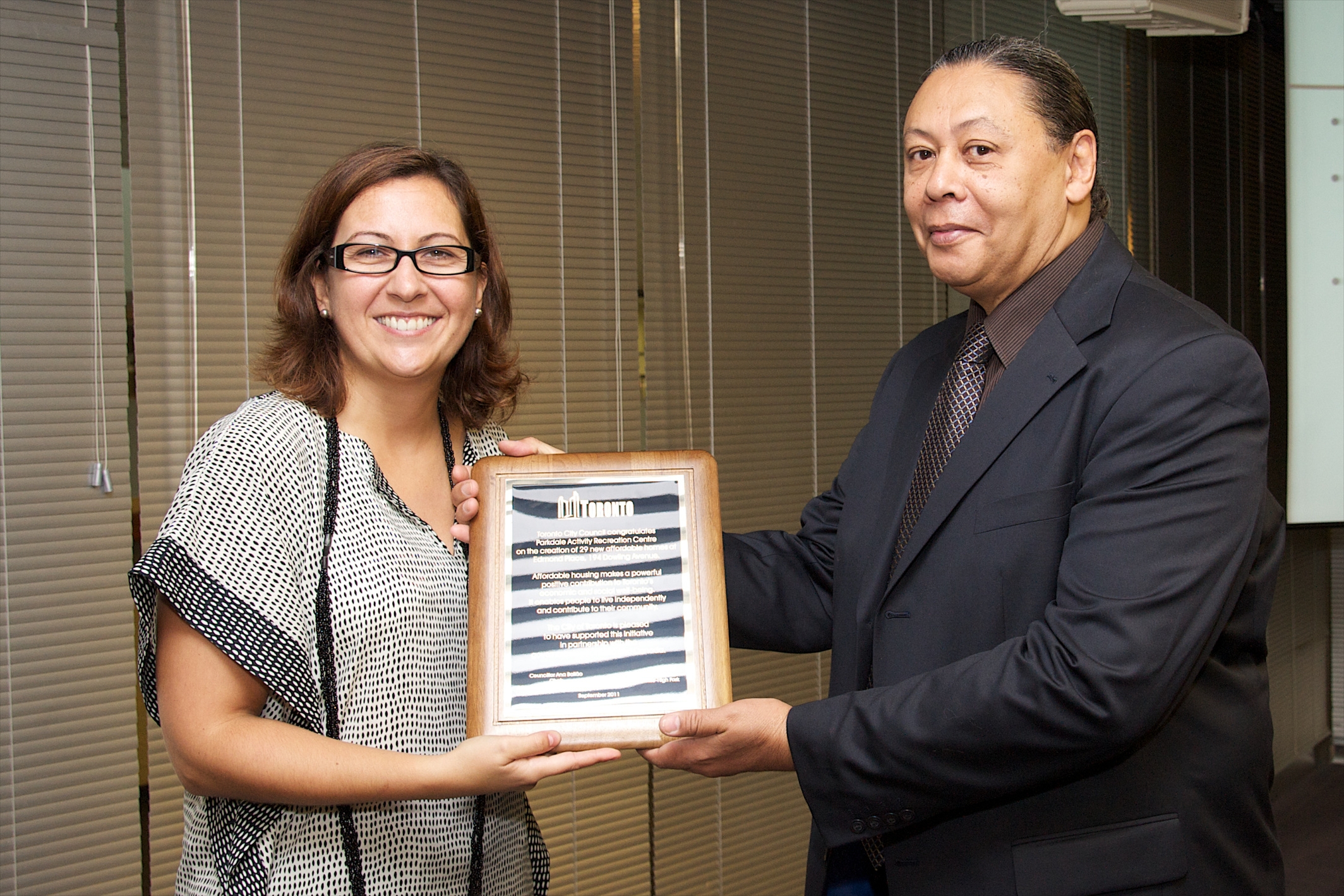
Named in his honor, Edmond Place was built on the site of the 1998 fire. On January 5, 2011, the first tenant moved into one of its 29 supportive housing units. Edmond Place remains a source of safe, supportive housing in Parkdale.
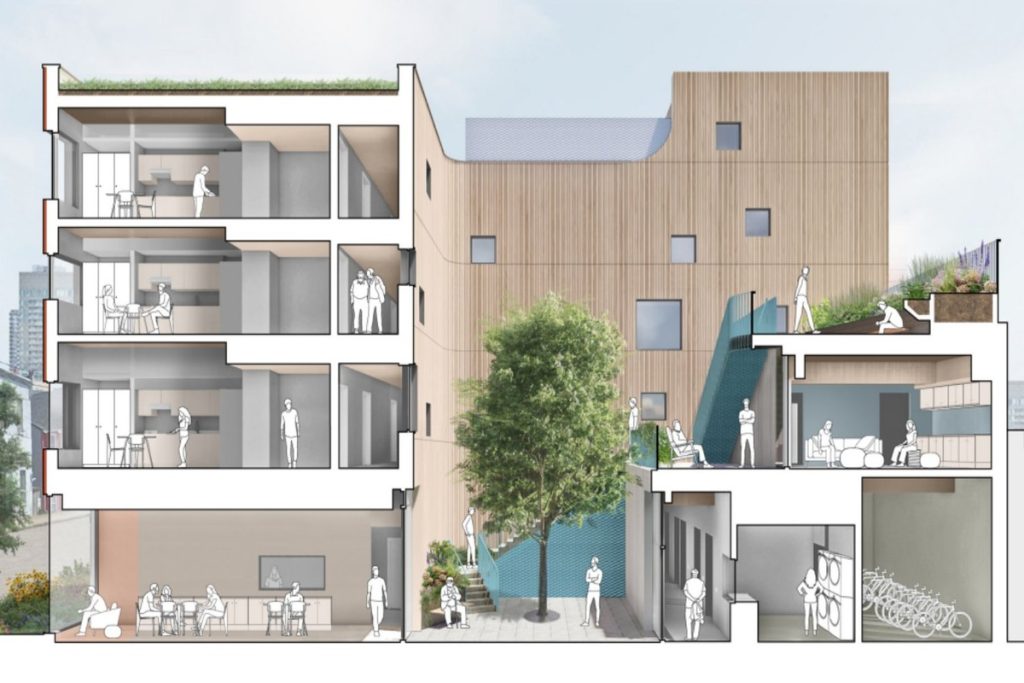
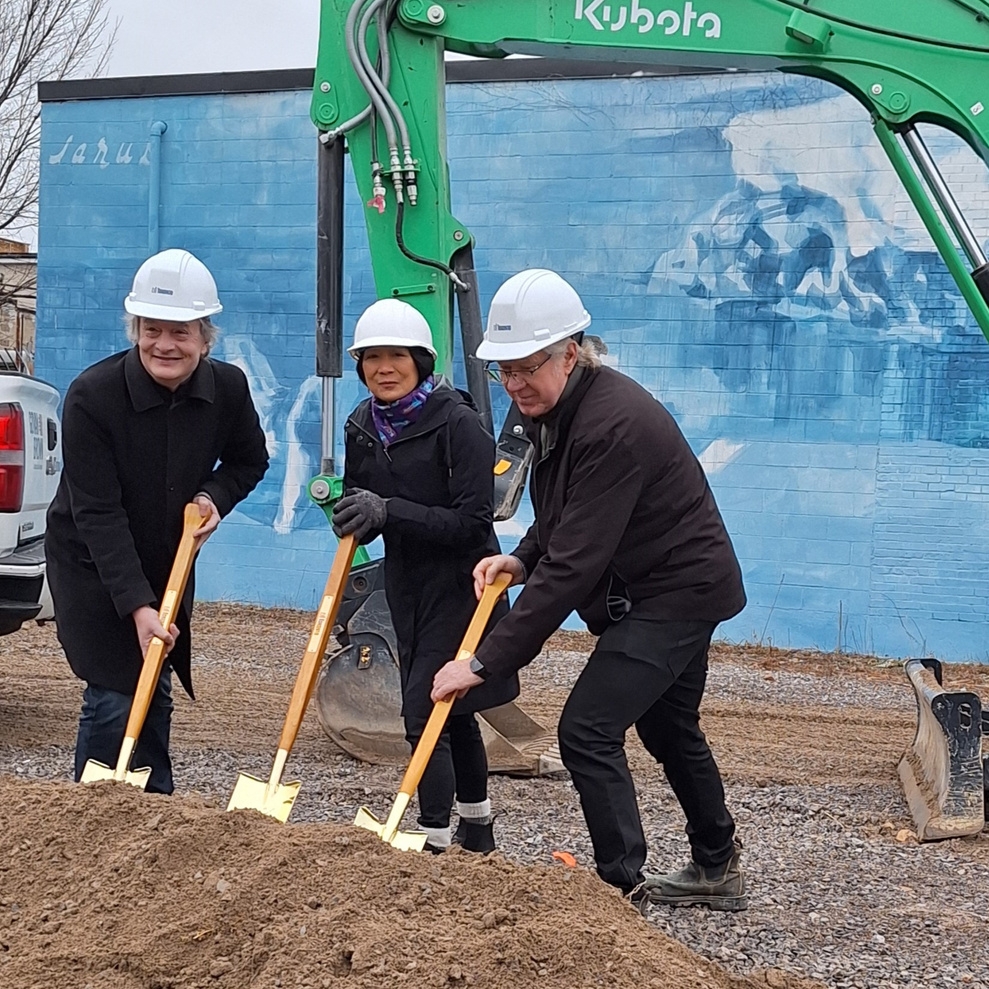
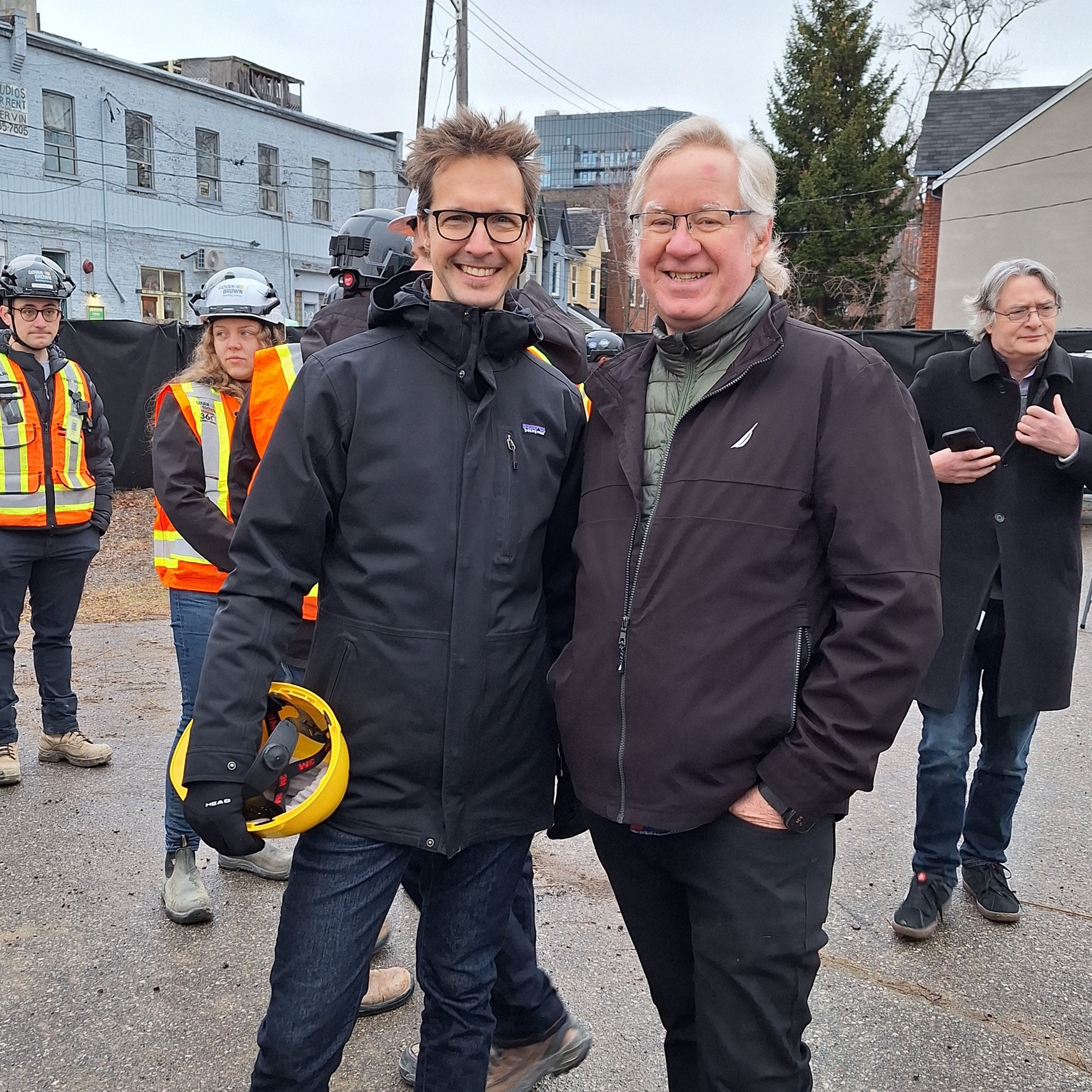
The City of Toronto selects PARC as the operator of the new supportive housing development at 11 Brock Avenue. When complete, the project will provide 42 new rent-geared-to-income and supportive homes. With 24 years of supportive housing experience and nearly five decades of community service, PARC continues to advance housing solutions that build stability and community.

A group of concerned citizens, community workers, and volunteers established the Parkdale Activity-Recreation Centre (PARC), in response to the fallout of deinstitutionalization, which left many ex-psychiatric patients in local rooming houses without support. PARC quickly became known as“Parkdale’s living room.”

Pat Capponi helps guide PARC toward a member-driven model, ensuring people with lived experience of mental illness lead decision-making. This legacy continues today, with 50% of PARC’s Board comprised of members.

PARC purchases 1499 Queen Street West, securing a permanent home for its programs and ensuring stability for the growing community.

Edmond Yu lived at 1495 Queen Street West but was evicted in 1996 due to complaints about his “behavior.” Tragically, he was fatally shot by police at Spadina Quay in February 1997. The following year, a fire at the same building displaced 48 tenants and took two lives. PARC played a key role in advocating for housing solutions for survivors and others experiencing homelessness.

PARC opens 10 supportive housing units on the third floor of 1499 Queen Street West. The Board also dedicates building commercial units to non-profit and charitable organizations, creating a hub of community services and collaboration.

Named in his honor, Edmond Place was built on the site of the 1998 fire. On January 5, 2011, the first tenant moved into one of its 29 supportive housing units. Edmond Place remains a source of safe, supportive housing in Parkdale.
The City of Toronto selects PARC as the operator of the new supportive housing development at 11 Brock Avenue. When complete, the project will provide 42 new rent-geared-to-income and supportive homes. With 24 years of supportive housing experience and nearly five decades of community service, PARC continues to advance housing solutions that build stability and community.
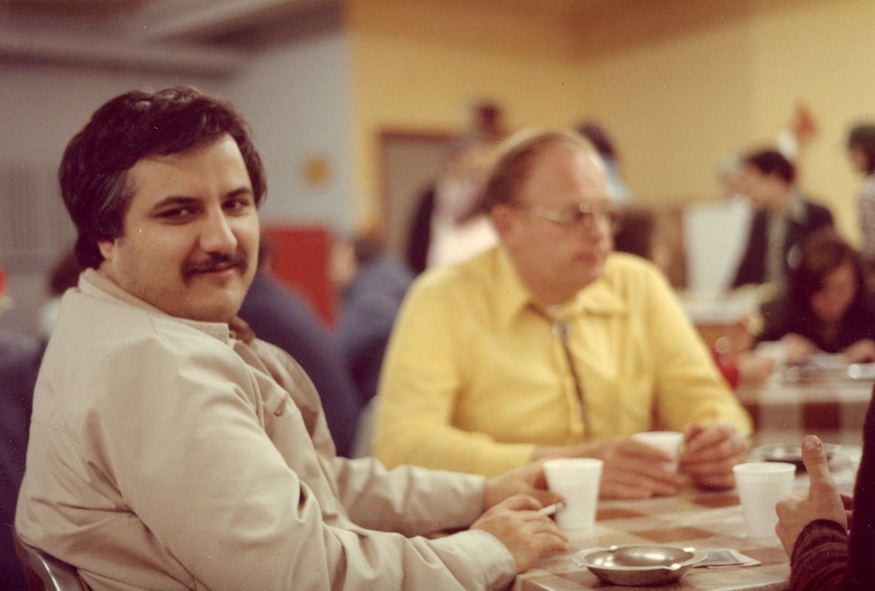
Originally an independent village of grand lakeside Victorian homes, Parkdale evolved into a working-class community with a diverse mix of cultures and incomes. The mansions were converted into apartments and rooming houses, and Parkdale became home to newcomers, artists, and low‑income residents. Following the deinstitutionalization of psychiatric hospitals, it also became home to many people living with mental health challenges. Former patients were discharged into the community, living in rundown rooming houses, left with little support and a lot of stigma.
These conditions gave rise to the Psychiatric Survivor Movement. Many survivors whose experiences navigating Parkdale’s rooming houses and disjointed community health services led them to form a network of spaces, newsletters like the Cuckoo’s Nest, and services to share their
stories, support each other, and find community.
PARC was founded in the midst of this movement, in 1977, by community volunteers and advocates, blending survivor leadership with professional support, social activities, and community building. PARC’s non-medicalized space for people living with the challenges of mental health and substance use focused on social connection, advocacy, and creative expression, including the writing group that is still central to our programming.
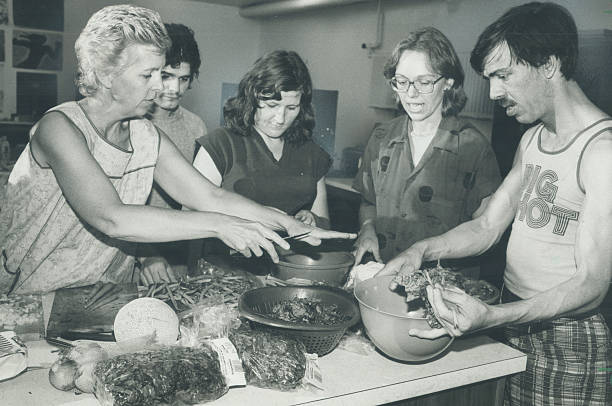
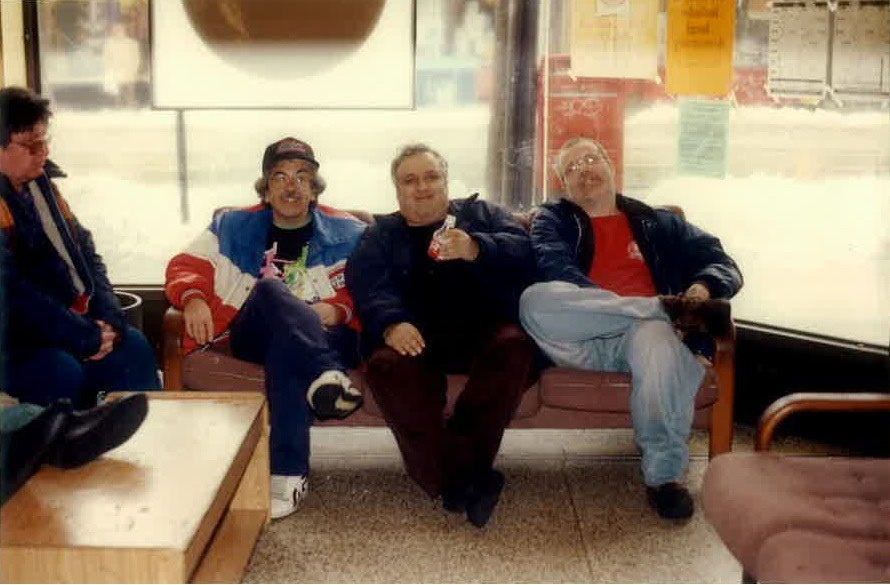
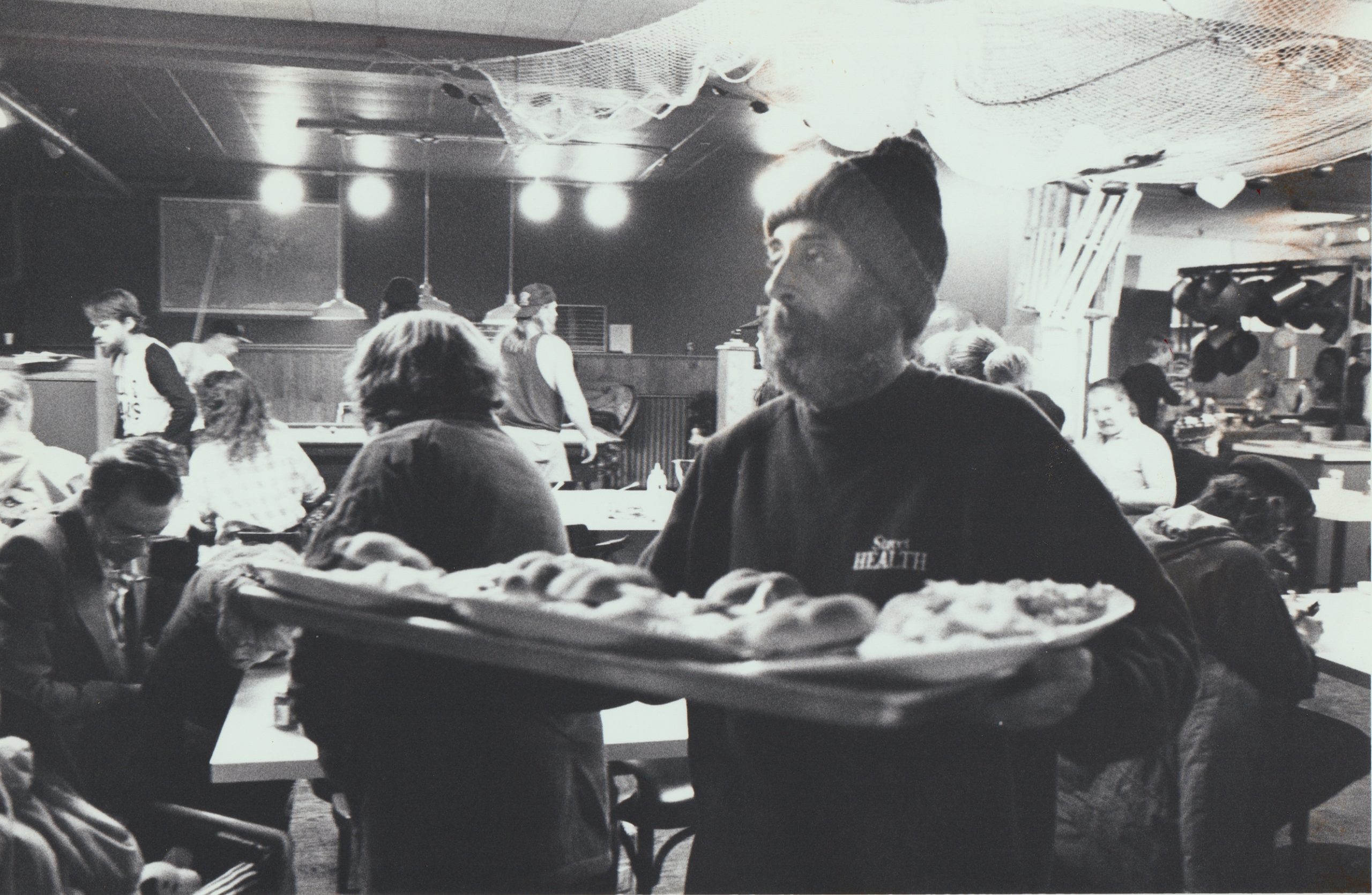
By 1980, PARC had secured funding, staff, and a space at 1499 Queen Street West, where it remains today. From the start, PARC was more than a drop-in centre. It was a nexus where people with lived experience of mental health and substance use challenges shared meals, political actions and advocacy initiatives were born, jobs were acquired, leaders were cultivated and self-expression and creativity flowed. Rather than medicalizing people’s lives, PARC became a place where individuals could belong on their own terms and develop their own community.
The story of PARC and Parkdale are intertwined; one would not be what it is today without the other. Our story is one of resilience and resistance, of survivors and allies turning personal and collective struggles of gentrification, housing crises, and discrimination into acts of political and creative agency. PARC is central to Parkdale’s support ecosystem, and we are proud to be a place that helped pioneer community-based approaches to mental health that laid the groundwork for how we care for people today.